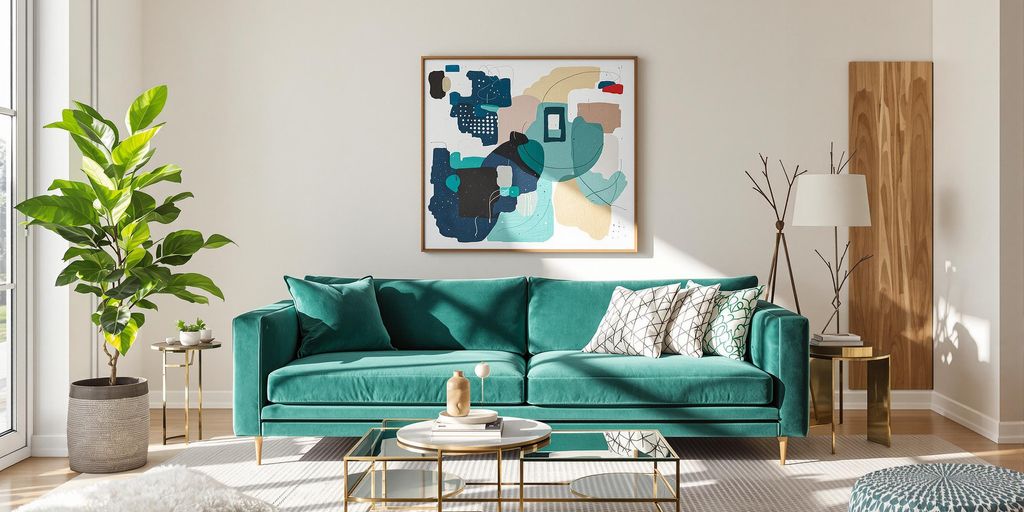
Mastering Interior Design for 2025: Fresh Ideas and Future Trends
As we look ahead to 2025, the world of interior design is really shifting. It feels like we’re moving towards spaces that are more comfortable, more connected to nature, and definitely more personal. Forget what you thought you knew about minimalist, sterile rooms. This year is all about bringing in warmth, texture, and a bit of personality. I’ve been looking at what’s coming up, and it seems like a lot of designers are focusing on creating homes that feel good to live in, not just look good. So, if you’re thinking about updating your place or just curious about what’s next, here’s a peek at some of the cool ideas shaping interior design for 2025.
Key Takeaways
- Expect a big move towards earth tones, with shades like Mocha Mousse leading the way, layered with creams and beiges for a cozy feel. But don’t be afraid to add bright pops of color to liven things up.
- Biophilic design is getting deeper. Think living walls, indoor water features, and lots of natural materials and shapes to bring the outdoors in and create a calming atmosphere.
- Smart home tech is becoming less noticeable and more about making life easier. It’s about voice controls that just work and furniture that does more, all blending into the background.
- Vintage maximalism is back, and it’s a fun way to mix old and new. Layering textures, using bold colors, and picking statement pieces from different decades will be huge.
- Sustainability is no longer optional. Expect more recycled materials, eco-friendly building stuff, and natural fabrics. It’s about making choices that are good for the planet and for us.
Embracing Earth Tones and Bold Accents
Get ready to ground your space with the comforting embrace of earth tones in 2025. This year, we’re leaning into the natural world for inspiration, creating interiors that feel both sophisticated and deeply calming. Think of it as building a serene foundation, a quiet backdrop that allows other elements to truly shine.
Pantone’s Mocha Mousse: A Rich Foundation for 2025 Palettes
Pantone’s pick for the year, Mocha Mousse, is a game-changer. It’s not just a brown; it’s a rich, warm hue that feels incredibly luxurious. This shade is perfect for creating a cozy atmosphere, and it works beautifully as a base for almost any color scheme you can imagine. It’s the kind of color that makes you want to curl up with a good book.
Layering Browns, Beiges, and Creams for Elegant Backdrops
Forget stark white walls. In 2025, the trend is all about layering subtle variations of browns, beiges, and creams. This creates a sophisticated, almost monochromatic look that feels incredibly inviting. Imagine a living room with a creamy beige sofa, a tan rug, and accent pillows in various shades of taupe and mushroom. It’s about creating depth and warmth through these closely related tones. This approach to color palettes brings a sense of understated elegance that’s hard to beat.
Strategic Pops of Vibrant Color for Dynamic Spaces
While earth tones provide the calm, strategic pops of vibrant color add the excitement. Think of a mostly neutral room suddenly brought to life with a bright cobalt blue vase or a striking emerald green armchair. These accents prevent the space from feeling too subdued and add personality. It’s about balance – the grounding effect of the earth tones paired with the energy of a bold accent. This contrast keeps the design interesting and dynamic, making your home feel both peaceful and alive.
Biophilic Design 2.0: Deepening Nature’s Embrace
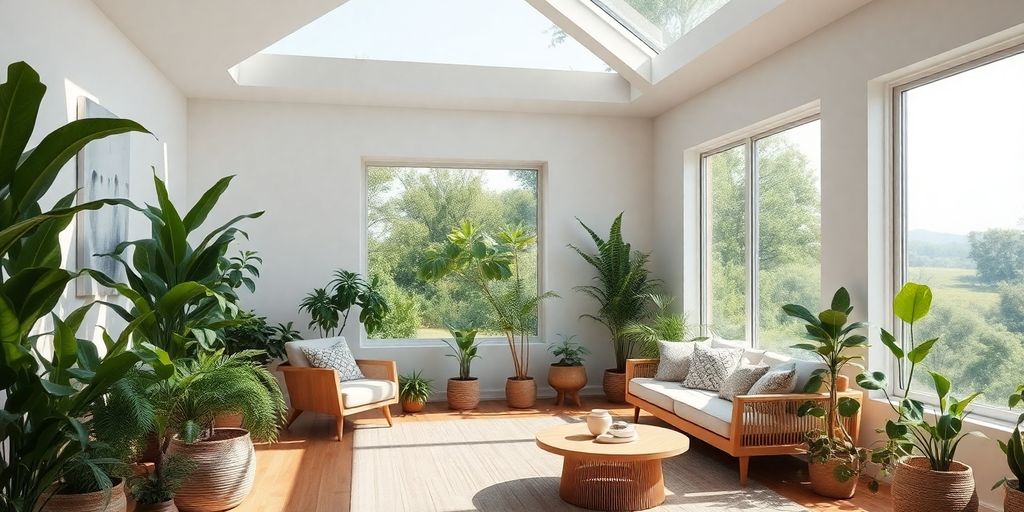
Biophilic design is really taking off, and for 2025, it’s not just about adding a few plants here and there. We’re talking about making nature a central part of your home’s feel. It’s about creating spaces that genuinely mimic the outdoors, using natural light, organic shapes, and materials like wood, stone, and bamboo. This trend goes beyond just looking good; it’s about how these spaces make us feel, aiming to boost our well-being.
Living Walls and Indoor Gardens as Central Features
Forget small potted plants on a shelf. In 2025, living walls and indoor gardens are becoming the main event in rooms. Think floor-to-ceiling green walls or dedicated indoor garden areas that really define the space. They’re not just decorative; they actively contribute to the atmosphere, bringing life and color right into your living area.
Incorporating Water Features for Tranquility
Adding water elements is another way designers are bringing nature indoors. Small indoor fountains or even subtle water features integrated into furniture can create a really calming vibe. The gentle sound of moving water is surprisingly effective at reducing stress and making a room feel more peaceful. It’s a simple addition that makes a big difference.
Emphasizing Natural Textures and Organic Shapes
This part of biophilic design is all about touch and form. We’re seeing more furniture with raw-edged wood, woven wall hangings, and decor that features natural, imperfect shapes. It’s about creating a tactile experience that connects us to the natural world. Think about a rough-hewn wooden table or a rug with a soft, organic pattern – these elements add depth and a sense of calm.
The Evolution of Smart Homes: Technology with Soul
Technology in our homes is getting smarter, but it’s also getting a lot more thoughtful. Forget clunky gadgets and confusing remotes; 2025 is all about tech that just works without getting in your way. It’s about making your home more comfortable and easier to manage, but in a way that feels natural, not intrusive. Think of it as technology with a personality, one that understands what you need before you even ask.
Seamless and Intuitive Voice-Activated Controls
Voice control is really taking off, moving beyond just playing music. Now, you can manage your lights, adjust the thermostat, or even start your coffee maker with simple voice commands. The goal is for these systems to blend into your daily routine so smoothly, you barely notice they’re there. It’s less about a command and more about a conversation with your home.
Smart Furniture Enhancing Daily Living
Furniture is getting a serious upgrade. We’re seeing beds that can track your sleep patterns to help you wake up feeling more rested, or sofas that can adjust their firmness for better comfort. It’s furniture that actively contributes to your well-being and makes everyday tasks just a little bit easier.
Invisible Technology Integrated into Surfaces
This is where things get really interesting. Imagine charging your phone just by placing it on your coffee table, or windows that automatically tint to block out harsh sunlight. Smart glass, hidden charging pads, and home automation systems that learn your habits are becoming more common. It’s technology that’s there when you need it, but completely out of sight when you don’t, keeping your spaces looking clean and uncluttered.
Vintage Maximalism: A Celebration of Eclectic Style
Remember when everything was super clean and minimalist? Well, get ready for a big shift because 2025 is all about Vintage Maximalism. This isn’t just about throwing a bunch of stuff together; it’s a curated explosion of personality, history, and texture. Think of it as collecting treasures from different eras and letting them tell a story in your home. It’s a move away from the sterile and towards spaces that feel lived-in, unique, and deeply personal.
Mixing Statement Pieces from Various Eras
This trend really encourages you to pull from different decades. Don’t be afraid to mix a mid-century modern armchair with an ornate Victorian rug or some groovy 70s lamps. The key is to find pieces that speak to you, regardless of their origin. It’s about creating a dialogue between different styles and periods, resulting in a look that’s anything but boring. Think of your home as a living museum of your favorite things.
Layering Rich Textures for Tactile Depth
To really nail the vintage maximalist vibe, texture is your best friend. Combine plush velvets with rough-hewn wood, smooth silks with chunky knits, and maybe some distressed leather thrown in for good measure. Layering these different materials adds a sensory richness that makes a space feel warm and inviting. It’s about creating visual interest and a cozy, tactile experience that draws you in.
Bold Color Palettes with Jewel Tones and Pastels
Forget playing it safe with color. Vintage maximalism embraces a daring approach, often mixing deep, saturated jewel tones like emerald, sapphire, and amethyst with softer, more delicate pastels. This contrast creates a dynamic and sophisticated look. Imagine a deep teal wall paired with a blush pink sofa, or amethyst accents against a pale mint background. It’s a playful yet elegant way to bring life and energy into your rooms.
Sustainability as a Design Standard
Sustainability isn’t just a buzzword anymore; it’s becoming the baseline for how we design our homes. People are really starting to care about where their stuff comes from and how it’s made. This means we’re seeing a big push towards using materials that are kinder to the planet. Think about it – choosing recycled or upcycled items isn’t just good for the environment, it also adds a unique story to your space. It’s about making conscious choices that feel good and look great.
Prioritizing Recycled and Upcycled Materials
This is where creativity really shines. Instead of tossing old items, designers are finding ways to give them new life. Old wood can become a stunning feature wall, vintage fabrics can be reupholstered into statement chairs, and even reclaimed metal can be fashioned into unique lighting fixtures. It’s a fantastic way to reduce waste and inject character into your home. Plus, it often means you end up with one-of-a-kind pieces that you won’t find anywhere else. It’s a move away from mass-produced items and towards more thoughtful, curated selections. We’re seeing a lot of interest in furniture made from recycled plastics or reclaimed timber, which are both stylish and responsible choices for your home’s interior.
The Rise of Eco-Friendly Building Materials
Beyond furniture and decor, the actual building materials are getting a green makeover. We’re talking about things like bamboo, which grows incredibly fast, or cork, which is harvested without harming the tree. Recycled glass countertops and low-VOC paints are also becoming more common. The key here is transparency – knowing the origin and the environmental impact of the materials used in construction and renovation is becoming increasingly important for homeowners. It’s about building a healthier home from the ground up.
Choosing Sustainable Textiles for a Healthier Planet
When it comes to fabrics, the focus is on natural, renewable, and less resource-intensive options. Organic cotton, hemp, and linen are making a big comeback. These materials are not only biodegradable but also require less water and fewer pesticides to grow compared to conventional cotton. Even newer materials like Tencel, made from wood pulp, are gaining traction for their softness and eco-friendly production process. Using these textiles means you’re not only creating a comfortable and beautiful space but also contributing to a healthier planet, one cozy blanket or stylish curtain at a time.
Soft Curves and Organic Forms Redefining Comfort
Forget those sharp, edgy styles that were everywhere a few years back. For 2025, it’s all about softening things up with curves and shapes that feel more natural, more like they grew that way. This trend is really about making spaces feel super cozy and balanced, you know, a place where you can actually relax. It’s a nice change from all the hard lines we’ve been seeing.
Curved Sofas and Armchairs for Relaxation
Think about sinking into a sofa that wraps around you a bit, or an armchair with no sharp corners. These pieces aren’t just furniture; they’re practically invitations to unwind. They encourage conversation too, making the living room feel more like a gathering spot than just a room with stuff in it. It’s a subtle shift, but it makes a big difference in how a room feels.
Circular Rugs and Tables for Gentle Flow
Instead of a rectangular coffee table that chops up the room, picture a round one. Same goes for rugs. A circular rug can really tie a seating area together without creating any harsh boundaries. It helps the eye move around the room more easily, giving everything a smoother, more connected feel. It’s a simple way to add a bit of softness to your layout.
Arched Doorways and Windows for Modern Elegance
This is a bit more of a structural change, but arches are making a comeback, and they’re not just for old buildings anymore. Arched doorways and windows add a touch of classic charm but feel totally fresh and modern. They break up the monotony of straight lines and add a bit of architectural interest that feels really sophisticated. It’s a way to bring in a bit of that organic, flowing feel on a larger scale. You can find some really beautiful examples of this trend in modern home renovations.
The move towards softer shapes is really about creating environments that feel more human and less manufactured. It’s about comfort and a sense of ease, making our homes feel like true sanctuaries.
Wellness-Centric Design for Mindful Living
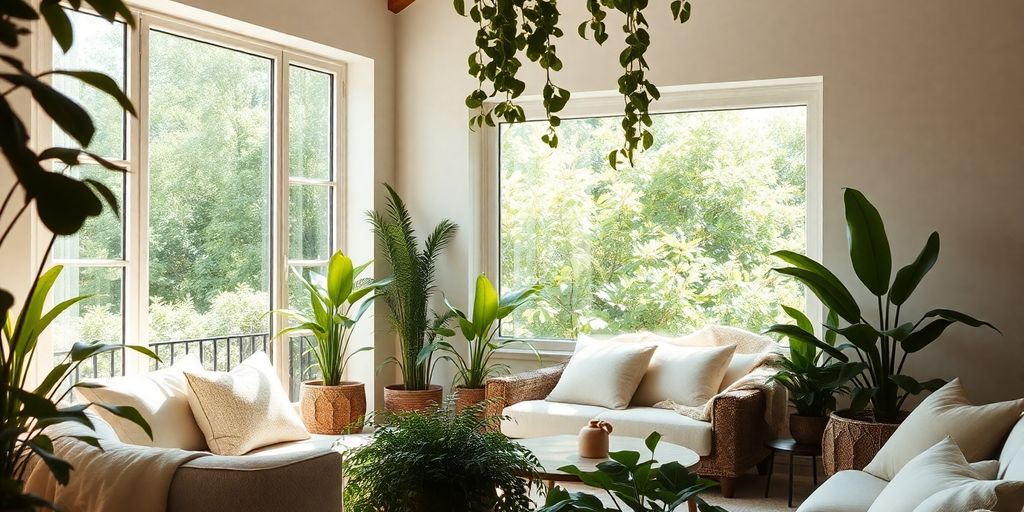
In 2025, our homes are really becoming more than just places to crash after a long day. They’re turning into personal sanctuaries, places where we can actually take care of ourselves, mentally and physically. It’s all about creating spaces that help us feel balanced and recharged. Think about it – the way your home is set up can totally affect your mood and how you feel day-to-day. So, designers are really focusing on making sure our living areas support our overall health.
Improving Indoor Air Quality with Plants and Filtration
Good air quality is a big deal for well-being. We’re seeing a lot more homes with air-purifying plants, not just as decoration, but as actual features. Plus, better filtration systems are becoming standard. It’s about creating a healthier environment right inside your own four walls. Having plants around just makes the space feel more alive, you know?
Utilizing Circadian Lighting for Sleep Regulation
Lighting plays a huge role in our body clocks. Circadian lighting is designed to mimic natural daylight patterns. This means the light in your home can actually help you sleep better at night and feel more alert during the day. It’s a pretty neat way to use technology to support your natural rhythms. Getting your sleep right makes such a difference in how you feel.
Creating Dedicated Spaces for Meditation and Relaxation
More and more, people are carving out specific spots in their homes just for quiet time. This could be a small corner with a comfy cushion for meditation or a cozy nook with a good book. It’s about having a designated area that signals it’s time to slow down and de-stress. These little retreats are key for mindfulness and unwinding. You can learn more about creating serene and functional wellness spaces by integrating mindfulness with practical luxury interior design.
The focus is on making our homes work for our well-being, not the other way around. It’s a shift towards intentional living, where every design choice supports a healthier, happier life.
Bold and Artistic Kitchens: The Heart of the Home
Forget those sterile, all-white kitchens of years past. In 2025, the kitchen is really stepping into its own as the vibrant heart of the home, a place where personality and art take center stage. We’re seeing a move towards spaces that feel more lived-in, more expressive, and frankly, a lot more fun. It’s about making a statement, whether that’s through a splash of unexpected color or a collection of unique pieces that tell your story. Think of it as your personal gallery, but with a really great oven.
Vibrant Backsplashes and Hand-Painted Murals
This is where you can really let loose. Forget subway tile; we’re talking about backsplashes that are pure art. Imagine bold geometric patterns that draw the eye, or perhaps a custom hand-painted mural that brings a touch of the unexpected to your daily routine. These aren’t just functional surfaces; they’re conversation starters, adding a unique character that mass-produced materials just can’t match. It’s a chance to inject serious personality into the busiest room in the house.
Colored, Shaped, and Retro Kitchen Units
The cabinetry is getting a makeover too. Instead of the usual suspects, designers are playing with color – think deep emerald greens, warm terracotta, or even playful pastels. And it’s not just about color; the shapes of the units themselves are becoming more interesting, with curved edges or unique configurations that break away from the standard box. Plus, there’s a definite nod to retro styles, bringing in a sense of nostalgia and timeless charm that feels both familiar and fresh.
Mixing Metals for Contrasting Hardware
Hardware is the jewelry of the kitchen, and in 2025, it’s all about mixing and matching. Don’t be afraid to combine different metal finishes – maybe brass knobs on a navy blue cabinet, paired with matte black drawer pulls. This blend of metals adds depth and visual interest, preventing the space from feeling too uniform. It’s a small detail that makes a big impact, giving your kitchen a sophisticated, curated feel.
Wrapping It Up: Your 2025 Design Journey
So, as we look ahead to 2025, it’s clear that interior design is really about making spaces that feel good and work for us. We’re seeing a move towards warmer colors, more natural elements, and homes that can adapt to whatever life throws our way. It’s less about following every single trend and more about picking what truly makes your home feel like yours. Whether that’s a bold kitchen, a cozy reading nook, or a space that’s super easy to live in, the goal is to create a place that reflects you. Don’t be afraid to mix and match, add your own personal touches, and really make your home a reflection of your life. Happy designing!
Frequently Asked Questions
What colors are popular for home design in 2025?
Think about using warm, earthy colors like browns, beiges, and creams. You can add a pop of a brighter color, like a deep blue or a sunny yellow, to make the room more lively.
What is biophilic design and how can I use it?
Biophilic design means bringing nature inside. You can do this with living walls, indoor plants, water features like small fountains, and using natural materials like wood and stone.
How is smart home technology changing?
Smart homes in 2025 will focus on technology that’s easy to use and blends in. This includes things like voice commands for lights and music, furniture that helps you, and hidden tech like wireless chargers in tables.
What is vintage maximalism in interior design?
Vintage maximalism is about mixing old and new styles. Use colorful furniture from different time periods, mix different textures like soft velvet with rougher fabrics, and use bold colors.
Is sustainability important in 2025 interior design?
Yes, using recycled materials, eco-friendly building supplies, and sustainable fabrics like organic cotton is very important. It’s about making choices that are good for the planet.
How can I make my home feel more comfortable and relaxed?
You can create a more comfortable space by using furniture with soft curves, like round sofas. Also, using circular rugs and tables can make a room feel more gentle and flowing.
Leave a Reply