The post Transform Your Home: Top Christmas Interior Design Trends for 2025 first appeared on Fern & Grey.
]]>Key Takeaways
- Classic Red is making a strong comeback, often paired with blues for a fresh, nostalgic feel.
- Neutral colors, especially warm browns like chestnut and cocoa, are trending for a cozy, earthy vibe.
- Mint green offers a cool, contemporary look, perfect for a modern, Scandinavian-inspired aesthetic.
- Burgundy is a major trend, adding a rich, bold pop to decor in various shades.
- Modern Minimalism focuses on clean lines and simple, purposeful decorations, while Whimsical Wonderland embraces bright colors and playful elements.
1. Classic Red
Red is making a big comeback this year, and honestly, it feels just right for the holidays. We’re seeing a lot more of those rich, deep cherry reds and even some cranberry tones. It’s not just about the tree, either. Think about adding red bows to your wreaths, garlands, or even just cabinet knobs. It’s a simple way to bring that festive feel into every room.
Pairing Red with Other Colors
While red is great on its own, it really shines when paired with other colors. This year, a really popular combination is red and blue – think deep cherry red with a dusty or navy blue. It gives off a fresh, yet nostalgic vibe. You can also soften traditional reds by mixing them with earthy tones like cocoa brown or even deep burgundy.
Incorporating Red Naturally
Don’t forget about natural elements! Red berries look fantastic tucked into greenery or pinecones for a simple centerpiece. It’s a way to bring the outdoors in and add a touch of natural beauty to your decor.
Red in the Kitchen
Bring that holiday cheer into your kitchen too. A simple bowl of red apples or cranberries on the counter can make a difference. Hanging red striped tea towels or adding a red ribbon to a kitchen wreath are also easy ways to get in on the trend. This classic color is versatile enough to be a subtle accent or a bold statement. It’s all about how you use it to create that warm, inviting atmosphere we love during the holidays. For more ideas on festive color palettes, check out the top Christmas decor trends.
Red Accents and Textures
When decorating with red, consider texture. Velvet ribbons in a deep red can add a luxurious feel to your tree or gifts. Mixing red with natural materials like wood or wool can create a cozy, inviting space. Even small touches, like red and white striped ornaments or candy cane-inspired details, can add a playful yet classic element.
Red is a color that just screams ‘holiday spirit.’ It’s warm, it’s inviting, and it instantly makes a space feel more festive. Whether you go all out with a red-themed tree or just add a few pops of red here and there, it’s a trend that’s easy to embrace and always looks good.
2. Neutral Colors
If bright, bold colors aren’t really your vibe for the holidays, don’t sweat it. Neutrals are sticking around for Christmas 2025, and honestly, they’re feeling even cozier than before. Think creamy whites, soft taupes, and warm browns all coming together to give you that comforting holiday feeling we all love. Warm browns, especially, have been everywhere this year – goodbye, boring grays! Shades like chestnut, cocoa, and cinnamon really bring a grounded, earthy feel to your Christmas decor. They also pair so well with natural materials like wood, linen, and even paper, giving you that vintage, heirloom vibe without feeling old-fashioned or fussy.
Earth Tones
Earth tones are making a big comeback this season. Colors like terracotta, olive, taupe, and chocolate brown add a natural warmth and a bit of rustic charm. These grounded shades work really well with metallics or softer pastels, helping you find that sweet spot between modern and timeless. Try using earth tones for the main things, like your tree skirt, planters, or garlands, and then layer lighter shades on top to add depth and texture.
Metallic Accents
This year, the metallic palette is expanding beyond just gold and silver. Bronze, rose gold, and chrome are stepping into the spotlight, adding more dimension and a nice shimmer. These versatile tones reflect light beautifully, which can really make both traditional and contemporary decor pop. Bronze feels luxurious and grounded, making it great with earth tones. Chrome is sleek and has an icy feel, perfect for a minimal, modern look. Rose gold is romantic and glamorous, a good choice for spaces that lean a bit more feminine or whimsical.
Layering for Texture and Mood
When working with neutrals, layering is key to creating a rich and inviting atmosphere. Start with a base of soft hues like blush pink or mint green to establish a calm, elegant foundation. Then, bring in reflective finishes like silver, pearl, or chrome to add brightness and sparkle. Don’t be afraid to mix matte and glossy textures; this contrast adds visual interest and keeps the look from feeling flat. Layering helps build depth, making your decor feel intentional and immersive. The best part? This approach works with pretty much any style – modern, traditional, rustic, whimsical, or glam.
3. Mint Green
Mint green is really having a moment this year, and honestly, I’m here for it. It’s such a fresh, airy color that just screams winter elegance without being too over the top. Think of it like a subtle frosted look, you know? It pairs up so nicely with snowy whites and other soft pastels, giving you this lovely Scandinavian vibe that’s a bit different from the usual red and green. If you’re going for a crisp, modern feel, mint is your go-to. It’s perfect for making minimalist trees look extra chic, or for adding a cool touch to tabletop decorations and even some soft lighting effects.
Best Pairings for Mint Green
- Mint + Pearl + Silver: This combo is pure frosty magic. It feels so clean and sophisticated, like a winter wonderland.
- Mint + Blush + Gold: A bit softer and warmer, this mix brings a touch of romance. The gold adds just enough warmth to keep it from feeling too cool.
- Mint + White + Silver: This is the ultimate crisp and clean look. It’s bright, airy, and feels very Scandinavian.
Mint green is a fantastic way to bring a touch of the outdoors in, especially if you’re aiming for a more natural or serene holiday feel. It’s not just for Christmas trees either; think about incorporating it into your wrapping paper, stockings, or even a cozy throw blanket.
When you’re thinking about how to use mint green, consider these ideas:
- Tree Ornaments: Swap out some of your traditional red or gold ornaments for mint green ones. You can find them in various finishes, from matte to glittery.
- Table Settings: Use mint green placemats, napkins, or even small decorative accents on your dining table for a festive meal.
- Wreaths and Garlands: Look for wreaths or garlands that incorporate mint green elements, like faux berries or ribbons, to tie into your overall theme.
- Lighting: Consider mint green fairy lights or accent lamps to cast a soft, cool glow in a room. It’s a subtle way to add holiday cheer. You can find some great Christmas 2025 decor trends that feature these colors.
It’s a really versatile shade, so don’t be afraid to experiment with it. It can really make your holiday decor feel unique and stylish.
4. Burgundy
Burgundy is really making a statement this year, and honestly, it’s about time. This deep, rich color brings a sophisticated warmth that feels just right for the holidays. It’s not quite red, not quite purple, but something wonderfully in between. Think of it as the grown-up version of Christmas red, perfect for adding a touch of luxury without being over the top.
Where to Use Burgundy
- Mantelpieces and Coffee Tables: Swap out your usual green or red accents for burgundy pillows, throws, or even a festive runner. It instantly makes the space feel cozier.
- Christmas Trees: Burgundy ornaments, paired with some gold or even a deep forest green, look incredibly chic. Don’t forget velvet ribbons in burgundy – they add such a lovely texture.
- Wreaths and Garlands: A touch of burgundy in your greenery, maybe with some dried berries or pinecones, gives a natural, elegant feel.
- Table Settings: Burgundy napkins, placemats, or even just a few burgundy candles can really set a mood for holiday dinners.
Pairing Burgundy
Burgundy plays well with a lot of other colors. It looks fantastic with:
- Gold: For that classic, luxurious holiday vibe.
- Cream or Ivory: This softens the look and adds a touch of elegance.
- Forest Green: A natural pairing that feels very traditional but still fresh.
- Blush Pink: For a more romantic, unexpected combination.
Burgundy is a great way to update traditional Christmas colors. It feels festive and inviting, and it’s versatile enough to work in almost any room. It’s a color that really embraces the cozy, homey feeling of the season.
5. Navy Blue
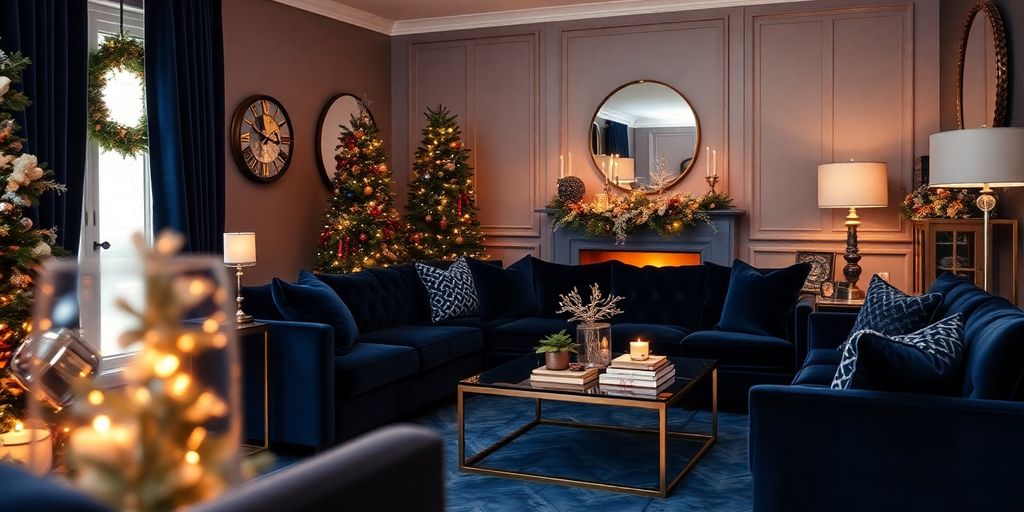
Navy blue is really making a statement this year for Christmas decor. It’s a fantastic alternative to the usual red and green, offering a sophisticated and deep feel. Think of it as a richer, more modern take on traditional holiday colors. It pairs surprisingly well with a lot of other trending shades, like soft golds or even crisp whites, creating a look that’s both elegant and inviting.
Pairing Navy Blue
When you’re thinking about how to use navy blue, consider these combinations:
- Navy + Gold: This is a classic for a reason. It feels luxurious and festive, perfect for a more formal look. Try gold ornaments on a navy-themed tree or navy velvet ribbons on a gold-accented wreath.
- Navy + Silver/Chrome: For a cooler, more contemporary vibe, silver or chrome works beautifully. It gives off a winter wonderland feel, especially when paired with white or icy blue accents.
- Navy + Burgundy/Deep Reds: If you want to lean into richer, deeper tones, navy and burgundy are a great match. This combination feels very cozy and traditional, but with a modern edge.
- Navy + Blush Pink/Mint Green: Don’t shy away from softer colors! Navy can act as a grounding neutral for pastels, making them pop without feeling overwhelming. It’s a great way to add a touch of unexpected softness to your holiday display.
Incorporating Navy Blue
There are so many ways to bring navy blue into your home for the holidays. You don’t have to go all out; even a few well-placed items can make a big difference. Consider navy blue stockings hung on the mantel, or perhaps some deep blue candles on your dining table. Even a navy blue tree skirt can add a subtle touch of this popular color. If you’re looking for inspiration on how to blend these colors into your existing decor, checking out some of the latest Christmas trends can give you a great starting point.
Navy blue offers a sense of calm and depth, making it a wonderful choice for creating a cozy and stylish holiday atmosphere. It’s versatile enough to work with both bold and subtle palettes, allowing for a lot of creative freedom in your decorating.
Don’t forget about smaller accents, too. Navy blue ribbon can be used on gifts, or you could find navy blue ornaments to add to your tree. It’s a color that really allows you to play with different textures, from velvet to matte finishes, adding that extra layer of interest to your Christmas setup.
6. Gold
Gold is a perennial favorite for a reason; it just screams holiday luxury and warmth. For 2025, we’re seeing a shift towards softer, more refined gold finishes. Think less brassy shine and more of a gentle champagne or brushed gold glow. This subtle elegance makes gold feel more sophisticated and less overpowering, fitting perfectly into a variety of decor styles. It’s about creating an inviting, rich atmosphere rather than a flashy one.
Gold Pairings
Gold really shines when paired thoughtfully with other colors. It creates a beautiful contrast and adds depth to your holiday display. Here are some popular combinations for 2025:
- Champagne + Gold: For an effortlessly elegant and cohesive look.
- Navy + Gold: This creates a deep, rich, and sophisticated vibe, perfect for a more traditional feel.
- Warm Browns + Gold: Think cozy, vintage-inspired charm with a touch of warmth.
- Terracotta + Gold + Pearl: A fantastic trio for a rustic yet refined aesthetic.
Where to Use Gold
Gold accents can be incorporated in so many ways. Consider using them for:
- Tree Toppers and Garlands: A classic choice that instantly adds a festive touch.
- Ornaments: Mix gold baubles with other textures and colors for visual interest.
- Tableware and Linens: Gold cutlery or chargers can make your holiday table setting feel extra special.
- Lighting Fixtures: A gold-toned lamp or chandelier can cast a warm, inviting glow.
Gold is being combined with a variety of color palettes to create a look that feels elevated and stylish. It’s about bringing that classic holiday sparkle in a more modern, understated way.
Don’t be afraid to mix different shades of gold, from pale champagne to a deeper antique gold, to add dimension. You can find some really lovely gold Christmas ornaments that will fit right into these trending palettes.
7. Silver
Silver is sticking around for Christmas 2025, and honestly, it’s no surprise. It just has this way of looking so elegant, like a frosty winter morning captured in your decorations. It’s not just about glitter, though. Think more along the lines of a soft, icy shimmer that catches the light just right. This metallic tone is fantastic for bouncing light around, making any space feel brighter and more festive. It works really well on its own for a clean, modern look, or you can mix it with other colors to add a cool contrast. We’re seeing it used a lot with pearl and blush tones for a really soft, romantic vibe, but it also pairs nicely with aqua or even chrome for a super sleek, contemporary feel. It’s a classic for a reason, adding that touch of winter magic without being over the top.
Key Pairings for Silver
- Silver + Pearl + Blush: Creates a soft, romantic, and elegant atmosphere.
- Silver + Aqua + Chrome: Offers a sleek, modern, and icy aesthetic.
- Silver + Mint Green: For a crisp, Scandinavian-inspired winter look.
Where to Use Silver
- Ornaments: Mix shiny and matte silver ornaments on your tree for depth.
- Garlands and Wreaths: Silver tinsel or beaded garlands add instant sparkle.
- Table Settings: Silver chargers, cutlery, or candle holders bring a touch of class to your dining table.
- Lighting: Silver-toned string lights or lanterns can create a magical glow.
Silver decorations really shine when they’re layered with different textures. Think about combining smooth silver baubles with textured silver ribbons or even incorporating some faux snow elements. This contrast makes the silver pop and adds a sophisticated dimension to your holiday display.
8. Pearl
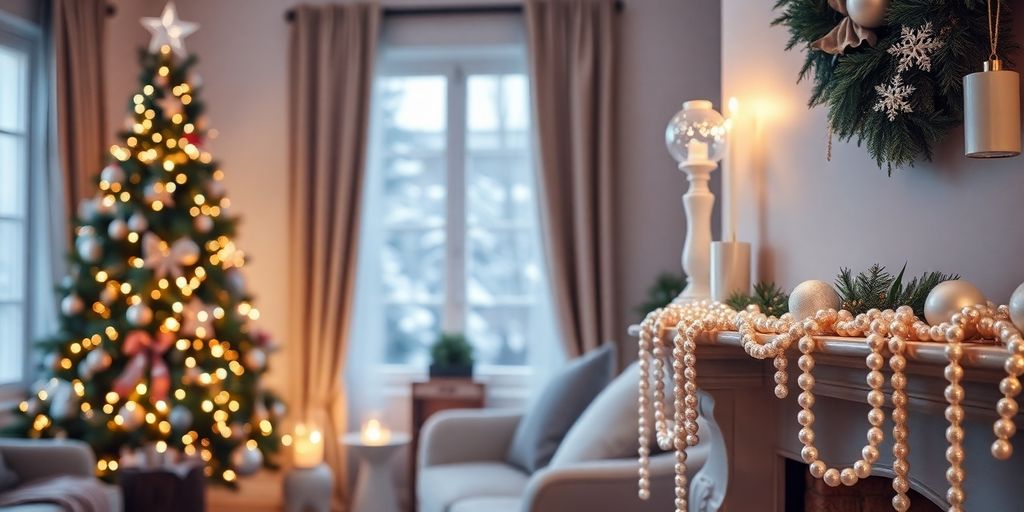
Pearl is really having a moment this year, moving beyond just being a fancy white. It’s like the elevated version of classic white, giving everything a soft, almost ethereal glow. Think of it as a subtle shimmer rather than a bright shine. It’s super versatile, too. You can pair it with really bright colors to make them pop, or use it with softer, muted tones for a really gentle, sophisticated look. It’s perfect for string lights that give off a soft glow, or for creating that snowy, winter wonderland vibe on your tree. It also looks great on architectural details if you’re decorating the outside of your house.
Best Pairings for Pearl
- Mint Green: This combination gives off a really fresh, frosted, wintery feel. It’s a nice alternative to the usual red and green if you’re going for something a bit more modern and clean, maybe with a Scandinavian vibe.
- Gold: Pairing pearl with gold, especially softer finishes like champagne or brushed gold, creates a look that’s both warm and luxurious. It feels really upscale without being over the top.
- Blush Pink: This is a softer, more romantic pairing. It’s great for creating a graceful, almost nostalgic atmosphere. It’s a lovely way to add warmth and a touch of sweetness to your decor.
Pearl accents, like garlands or beaded ornaments, add a delicate touch that feels really special. It’s these little details that can make your Christmas decorations feel truly unique and thoughtfully put together. It’s a subtle way to add a lot of charm.
Pearl is a great choice if you want your holiday decor to feel elegant and a little bit magical. It’s a trend that’s easy to incorporate, whether you’re going all out or just adding a few special touches. You can find some really lovely pearl-inspired decorations to brighten up your home this season.
9. Modern Minimalism
Embrace Serenity with Minimalist Charm
This year, we’re seeing a beautiful shift towards modern minimalism in Christmas decor. It’s all about creating a calm, uncluttered space that still feels festive and warm. Think clean lines, a restrained color palette, and a focus on quality over quantity. Instead of overwhelming your home with too many decorations, choose a few key pieces that make a statement. This approach really lets each item shine and contributes to a more peaceful holiday atmosphere.
The core idea is to achieve a sophisticated yet simple holiday look.
Here’s how to nail the modern minimalist Christmas vibe:
- Color Palette: Stick to neutrals like white, cream, beige, and soft grays. You can introduce subtle pops of color with muted greens or blues, but keep it understated.
- Materials: Focus on natural textures. Wood, linen, wool, and even paper elements add warmth without visual clutter. Think simple wooden ornaments, linen stockings, or paper star lanterns.
- Decor Elements: Opt for clean, geometric shapes. Simple wreaths with minimal embellishments, single branches in vases, or subtle string lights can make a big impact.
- Tree Styling: A sparsely decorated tree with a limited color scheme and natural ornaments fits perfectly. Consider a monochromatic look or just a few carefully chosen pieces.
This trend is perfect for those who appreciate a serene environment. It’s about creating a feeling of calm and order, even amidst the holiday buzz. The focus is on thoughtful placement and the inherent beauty of simple objects.
Consider incorporating elements like simple ceramic houses or minimalist metallic accents to add a touch of understated elegance. It’s a refreshing take that proves you don’t need a lot to create a beautiful and inviting holiday space.
10. Whimsical Wonderland
This trend is all about embracing pure, unadulterated fun and a touch of playful fantasy. Think of it as stepping into a delightful dreamscape where the usual Christmas rules don’t apply. It’s a fantastic way to inject some serious personality and joy into your holiday decor, especially if you’re looking for an escape from the everyday. We’re seeing a big move towards kitschmas, which is basically a celebration of all things delightfully over-the-top and nostalgic. It’s bold, it’s colorful, and it’s definitely not shy!
Candy-Coated Dreams
Imagine your home transformed into a sweet shop! This look leans heavily into pastel and candy-coated shades like soft blues, pinks, yellows, and purples. Decorations often mimic sweet treats – think gumdrops, cupcakes, macarons, and lollipops. You’ll find whimsical figures, fanciful flowers, and lots of swirls and curls. It’s a cheerful, sugary explosion that’s perfect for creating a truly unique Christmas tree.
Retro Revival
This trend taps into a deep love for vintage-inspired elements that bring back warm, fuzzy memories. It’s about embracing decorations that feel like they’ve been passed down through generations. Think rich colors, classic details, and plenty of velvet ribbons and bows. It’s a cozy, charming aesthetic that feels both familiar and special.
Maximalist Merriment
For those who believe more is more, this is your moment! Maximalist Merriment is all about clashing colors, playful patterns, and an unapologetic abundance of festive cheer. Don’t be afraid to mix and match, layer textures, and go for bold, bright pieces. Think novelty items, iridescent finishes, and decorations that truly make a statement. It’s a joyful, energetic approach to holiday decorating that’s sure to bring smiles.
Playful Patterns and Textures
Stripes are making a huge comeback, especially in bows and ribbons. These aren’t just any stripes; they’re bold, colorful, and add a fantastic pop to trees, garlands, or even just tied onto gifts. Beyond stripes, look for tactile elements like plush figures, felted ornaments, and fabric mushrooms. These add depth and a cozy, handmade feel to your displays. It’s a great way to add visual interest and a touch of softness to your Christmas 2025 decor.
This trend is a wonderful way to express your personal style and create a holiday atmosphere that feels truly joyful and unique. It’s about embracing the fun and letting your imagination run wild.
Wrapping Up Your Holiday Decor
So, there you have it – a look at some of the fresh ideas for Christmas 2025. Whether you’re drawn to the natural, organic feel, the clean lines of modern styles, or a pop of rich color like burgundy, there’s a lot to play with. Remember, though, trends are just suggestions. The best part of decorating is making your home feel like you. Don’t feel pressured to do everything; pick what sparks joy and fits your space. Mix in your favorite pieces from years past, and let your home tell its own cozy story this holiday season. Happy decorating!
Frequently Asked Questions
What colors are trending for Christmas 2025?
For Christmas 2025, popular colors include mint green, pink, silver, gold, and pearl. These shades can be used in bright or soft, natural color schemes.
Are neutral colors still in style for Christmas 2025?
Yes, neutral colors like creamy whites, soft browns, and taupes are still very popular. They create a cozy and comforting holiday feel, especially when paired with natural materials.
Is classic red a popular Christmas color for 2025?
Classic red is making a comeback, with rich cherry reds and deep ruby shades being particularly trendy. It’s great for adding a bold yet cozy touch.
How do permanent Christmas lighting systems work?
Permanent holiday lights often use app control and can be set up to last for many years. They are designed to be adaptable for different holidays and offer a convenient way to decorate.
What is modern minimalism in Christmas decorating?
Modern minimalism focuses on simple designs, clean lines, and a limited color palette. It’s about using fewer decorations placed thoughtfully for a clean, uncluttered look.
What does a ‘Whimsical Wonderland’ Christmas theme involve?
A whimsical wonderland theme uses bright colors, large ornaments, and fun lighting to create a playful and imaginative atmosphere. It’s perfect for creating a magical feel for both kids and adults.
The post Transform Your Home: Top Christmas Interior Design Trends for 2025 first appeared on Fern & Grey.
]]>The post Stay Ahead of the Curve: Essential Interior Design Trends for 2025 first appeared on Fern & Grey.
]]>Key Takeaways
- Expect more natural materials like wood and stone, bringing the outdoors in.
- Personal expression is key, with a refined take on maximalism and custom touches.
- Technology will be more integrated, with smart home features and AR planning.
- Sustainability is a big theme, focusing on upcycling and energy-saving designs.
- Color palettes are shifting to warmer, earthier tones, and rich colors are replacing pastels.
Embracing Organic Elements
Bringing the outside in is more than just a saying for 2025; it’s a full-blown design philosophy. We’re seeing a real move towards materials that feel honest and grounded. Think about wood with visible grain, rough-hewn stone, and even clay finishes. These aren’t just about looks; they add a tactile quality that makes a room feel more real and lived-in. It’s about creating spaces that feel like a calm retreat, a bit like stepping into nature itself. This trend is all about connecting with the earthier side of design.
Natural Materials and Textures
The focus on natural materials is really picking up steam. We’re talking about wood, stone, and clay being used in ways that highlight their natural beauty. Instead of perfectly polished surfaces, designers are opting for finishes that show off the material’s character – think exposed wooden beams or stone countertops with a bit of natural variation. This approach not only adds warmth but also contributes to a more sustainable way of decorating. It’s a way to bring a bit of the outdoors in, creating a grounded and inviting atmosphere. You can see this reflected in the popularity of materials like linen curtains.
Indoor-Outdoor Living
This trend continues to grow, blurring the lines between our homes and the natural world. Large windows, sliding doors, and even indoor plants are becoming standard features. The goal is to let in more natural light and make it easier to enjoy the scenery outside, no matter the weather. It’s not just about aesthetics; it’s about creating a healthier and more peaceful living environment. Imagine having your morning coffee with a view of your garden, even when you’re inside.
Creating a connection with nature indoors can really impact our well-being. It’s about more than just pretty plants; it’s about a feeling of calm and balance.
Here’s a quick look at some popular natural materials:
- Wood (especially with visible grain)
- Stone (like granite, marble, or slate)
- Clay and Terracotta
- Natural Fibers (like jute, rattan, and bamboo)
These elements work together to create spaces that feel both stylish and deeply connected to the environment.
Personalized Aesthetic Expression
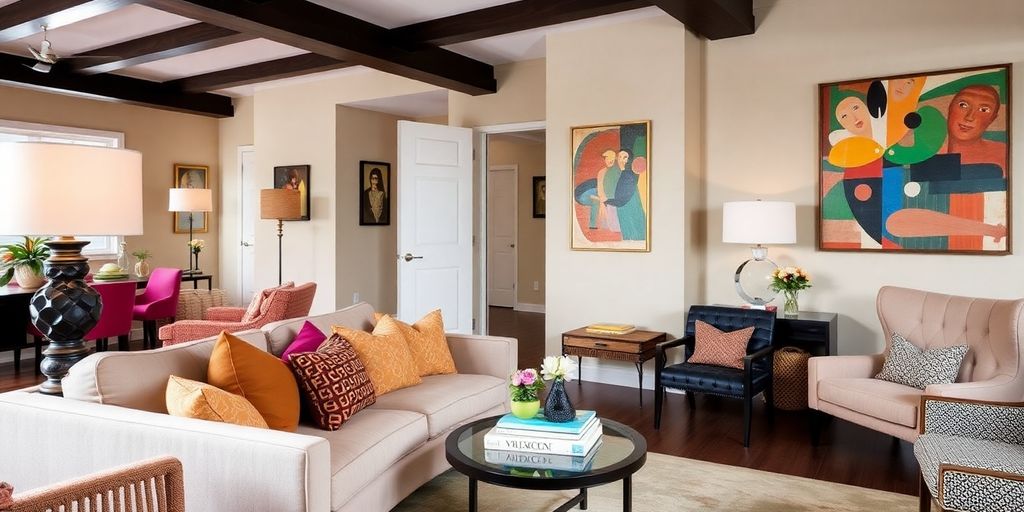
Forget cookie-cutter interiors. In 2025, it’s all about making your space truly yours. People are moving away from the generic, same-same looks that have dominated for a while, wanting homes that tell their own story. This means embracing individuality and really leaning into what makes you happy.
Maximalism Reimagined
Maximalism isn’t going anywhere, but it’s getting a serious upgrade. Instead of just throwing everything at the wall, it’s about a more thoughtful, curated approach. Think bold colors, interesting textures, and patterns that you genuinely love, mixed together in a way that feels intentional, not chaotic. It’s about creating a space that’s rich with personality and reflects your unique journey. The key is to balance these elements so each piece can be appreciated without overwhelming the room. It’s less about ‘more is more’ and more about ‘more of what you love’.
Customization and Personal Touches
The desire for bespoke design is stronger than ever. Homeowners want interiors that fit their specific lifestyles and preferences. In 2025, this means custom furniture, tailored layouts, and details that add a distinctive flair. It’s about creating spaces that aren’t just beautiful, but also perfectly functional for the people living in them. Making your home feel like a true reflection of you is the ultimate goal.
Technological Integration in Design
Technology isn’t just about flashy gadgets anymore; it’s becoming a core part of making our homes more comfortable and efficient. In 2025, we’re seeing smart home features like automated lighting, climate control, and integrated media systems move from being novelties to standard elements in modern interior designs. These innovations really help streamline your day-to-day routine, making life a lot more convenient while keeping things looking sleek and contemporary. It’s about technology that works for you, not the other way around.
Smart Home Innovations
Think about waking up and having your lights gently turn on, the temperature adjust to your liking, and your favorite music start playing, all without lifting a finger. That’s the promise of smart home tech in 2025. We’re talking about systems that learn your habits and anticipate your needs. It’s not just about convenience, either; these systems can also help manage energy consumption, contributing to more sustainable living. For example, smart thermostats can significantly reduce heating and cooling costs by optimizing usage based on occupancy and external weather conditions.
Augmented Reality in Interior Planning
This is where things get really interesting for anyone planning a renovation or redecorating. Augmented reality (AR) is set to completely change how we visualize our interiors before we commit. Imagine using your phone or tablet to see exactly how a new sofa will look in your living room, or how a different paint color will appear on your walls. AR lets you experiment with different layouts, furniture pieces, and materials right in your own space. This immersive technology helps you make more confident decisions, avoiding costly mistakes and ensuring you get the look you really want. It’s like having a virtual interior designer at your fingertips, allowing you to play around with designs and get a much clearer picture of the final result. You can even try out different lighting setups to see how they affect the mood of a room. This makes the whole process of planning and visualizing your space much more interactive and less guesswork. It’s a fantastic way to explore possibilities and truly understand how design choices will impact your home. You can explore different furniture arrangements and see how they fit before you buy anything, which is a huge time and money saver. This technology is really changing the game for homeowners and designers alike, making the design process more accessible and enjoyable. It’s a great way to get a feel for the space and make sure everything works together before any physical changes are made. This approach helps to avoid surprises and ensures that the final outcome aligns perfectly with your vision. It’s a powerful tool for anyone looking to create a truly personalized and well-executed interior. You can find some great examples of how this is being used in home design by looking at smart home innovations.
Sustainability and Eco-Friendly Practices
It feels like everyone’s talking about being more eco-conscious these days, and interior design is no different. For 2025, we’re seeing a real push towards making our homes kinder to the planet. This isn’t just a fleeting trend; it’s becoming a core part of how we think about creating spaces.
Upcycling and Repurposing
This is where things get really interesting. Instead of just buying new, we’re getting creative with what we already have. Think old wooden crates turned into shelving, or vintage chairs reupholstered with modern fabrics. It’s a fantastic way to cut down on waste and also inject some serious personality into your rooms. You end up with pieces that have a story, which is way cooler than something mass-produced, right? Plus, it’s a great way to save a bit of money.
Energy-Efficient Designs
Beyond just upcycling, there’s a growing focus on how our homes use energy. This means looking at things like better insulation, windows that keep heat in during the winter and out during the summer, and even smart thermostats that learn your habits. Appliances are also getting a makeover, with more options available that use less power. It’s about making smart choices that not only reduce your electricity bill but also lessen your environmental impact. It’s a win-win, really.
Making conscious choices about materials and energy use is becoming less of a niche idea and more of a standard expectation in home design. It’s about creating beautiful spaces that we can feel good about living in.
Shifting Color Palettes and Material Trends
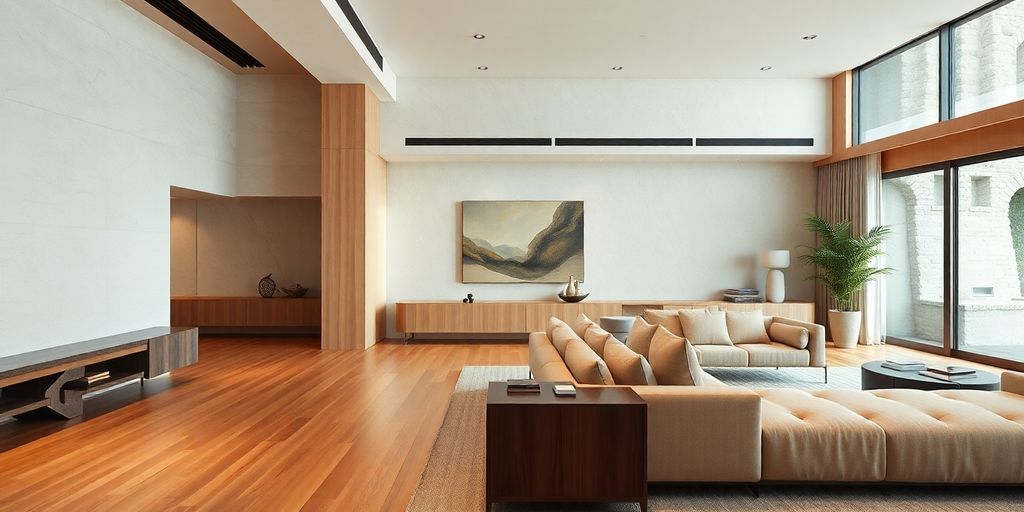
Get ready for a big change in how we think about colors and materials in our homes. The days of everything being super neutral or leaning too heavily into one specific trend are fading. We’re seeing a move towards richer, more complex palettes and a thoughtful approach to materials.
Warm, Earthy Tones Take Center Stage
Forget the stark whites and cool grays that have dominated for a while. This year, it’s all about warmth. Think of colors inspired by nature: soft clays, sandy beiges, and muted terracotta shades. These hues create a really cozy and inviting atmosphere, making your home feel like a sanctuary. It’s a shift towards grounding, natural colors that feel both sophisticated and comfortable. This trend is all about creating a serene and inviting atmosphere, drawing inspiration from the earthy color palette that’s becoming so popular.
The Evolution of Bouclé
Bouclé fabric isn’t exactly new, but its role is changing. While it was everywhere in a very specific, neutral way – think the ‘vanilla girl’ aesthetic – that’s starting to feel a bit tired. Now, bouclé is showing up in bolder colors and more interesting applications. It’s still a great texture, but designers are moving away from the all-white, cookie-cutter look. Expect to see bouclé used in more unique ways, adding depth and a tactile element without being overwhelming.
Rich Colors Supplanting Pastels
Pastels are taking a backseat as deeper, more saturated colors come into play. Instead of light, airy shades, we’re seeing a preference for jewel tones and rich, complex hues. Chocolate brown, for instance, is really gaining traction, even taking over from green as a top color choice for many designers. This move towards deeper colors creates a sense of luxury and personality. It’s less about a specific color and more about embracing shades that have depth and character, moving away from the softer, more muted tones of recent years.
The Future of Home Spaces
As we move through 2025, the way we think about our homes is really changing. It’s less about having a specific room for every single activity and more about creating flexible spaces that can adapt to our lives.
Decline of Dedicated Home Offices
Remember when everyone was scrambling to set up the perfect home office? Well, that trend is fading fast. With many companies calling employees back to the office, the need for a permanent, dedicated workspace at home is shrinking. Data shows a significant drop in home office renovations being requested by clients. People are tired of the pandemic-era relics and want their homes to feel like sanctuaries again, not just extensions of their work lives. This shift means that the space once reserved for video calls might get a new purpose, perhaps becoming a hobby room or a quiet reading nook. It’s about reclaiming that personal space.
Rise of Creative and Experiential Rooms
Instead of offices, we’re seeing a surge in demand for rooms designed for creativity and unique experiences. Think art studios, music rooms, or even dedicated crafting spaces. People want areas where they can really express themselves and engage in activities they love. These aren’t just rooms; they’re places that offer a different kind of engagement, a chance to step away from the everyday and do something fulfilling. It’s about creating moments and memories within your own home, making your living space more dynamic and personal. This move towards more layered and collected interiors means spaces feel more interesting and enduring than just following the latest fad. You can explore some ideas for creating these unique spaces at Dusk To Dawn Interiors.
Wrapping It Up: Your 2025 Design Journey
So, as we look ahead to 2025, it’s clear that interior design is moving towards spaces that feel more personal, comfortable, and connected to the world around us. We’re seeing a shift away from the overly trendy and towards styles that have real staying power, focusing on natural elements, thoughtful curation, and a touch of personal flair. It’s not about chasing every new fad, but about creating a home that truly speaks to you and supports your lifestyle. Whether you’re drawn to the warmth of natural materials, the boldness of curated maximalism, or the smart integration of technology, there are so many ways to make your space feel fresh and exciting. Think about what truly makes you feel good in your home, and let that guide your choices. Here’s to creating spaces that are both beautiful and deeply yours in the coming year!
Frequently Asked Questions
What natural materials should I use in my home in 2025?
Think about using wood, stone, and clay. These materials make rooms feel cozy and natural. You can use stone for counters or show off wooden beams. Rougher finishes add a special touch and are good for the planet.
Is bringing the outdoors inside still a popular trend?
Yes, the trend of bringing the outside in continues! Big windows, doors that open wide, and indoor plants help let in sunlight and connect your home with nature. It makes spaces feel peaceful and healthy.
What is ‘Maximalism Reimagined’?
Maximalism is back, but in a smarter way. It’s about mixing bright colors, different textures, and cool patterns to create a lively space that shows off your personality. The trick is to make it look put-together, not messy.
What does ‘Customization and Personal Touches’ mean for home design?
This means making your home truly yours. You can get custom furniture or have rooms designed just for you. It’s all about making your space fit your life and what you like.
How will technology be used in home design in 2025?
Smart tech like automatic lights and temperature control will be common. Augmented reality (AR) will also help you see how new furniture or paint colors will look in your room before you buy them.
Are upcycling and energy-saving designs important for 2025?
Yes, reusing old items and using recycled materials is big. It helps cut down on trash and makes your home unique. Also, using things like solar panels and better appliances helps save energy and money.
The post Stay Ahead of the Curve: Essential Interior Design Trends for 2025 first appeared on Fern & Grey.
]]>The post Discover Your Dreamy Retreat: Trendy Bedroom Ideas for 2025 first appeared on Fern & Grey.
]]>Key Takeaways
- Embrace color with vibrant hues or earthy tones to create a mood-boosting or serene atmosphere.
- Incorporate natural elements and organic fibers for a calm, sustainable sanctuary.
- Personalize your space with custom built-ins and artistic touches that reflect your unique style.
- Utilize mood lighting and smart technology for convenience and a relaxing environment.
- Add luxurious details and bold accents, or opt for soft, curved furniture for a modern look.
Embrace Color and Comfort in Your Trendy Bedroom
This year, bedrooms are all about creating a cozy, inviting atmosphere that feels like a personal escape. We’re seeing a shift towards colors that really lift your spirits and textures that just beg you to relax. It’s less about stark minimalism and more about creating a warm, lived-in feel.
Vibrant Hues for a Mood-Boosting Retreat
Forget playing it safe with neutrals; 2025 is the year to embrace color in your bedroom. Think about shades that make you feel good – maybe a calming blue for better sleep or a cheerful yellow to start your day right. You don’t have to paint the whole room a bold color; try an accent wall, or bring in color through your bedding, rugs, or decorative pillows. It’s a fantastic way to inject personality and create a space that genuinely reflects you. Using color thoughtfully can really change the whole vibe of your room, making it feel more energetic or more peaceful depending on your choice. It’s amazing how a splash of color can transform a space.
Casual Comfort for a Relaxed Vibe
There’s a definite move towards making bedrooms feel more like a comfortable, lived-in sanctuary rather than a formal showpiece. This means softer furniture, plush textiles, and an overall unpretentious feel. Think overstuffed chairs, relaxed bedding, and decor that feels personal and collected over time. It’s about creating a space where you can truly unwind and feel at ease, a genuine escape from the hustle and bustle of daily life. This trend leans into the idea of ‘quiet luxury,’ where comfort and understated elegance take center stage.
Layered Bedding for Rich Texture
Layering your bedding is a simple yet effective way to add depth, warmth, and a touch of luxury to your bedroom. Mixing different textures and materials, like a chunky knit throw over crisp linen sheets, or adding a few velvet cushions, creates a visually rich and inviting bed. It’s not just about looks, though; these layers also add to the cozy factor, making your bed the ultimate spot for relaxation. Consider combining soft fabrics with slightly more structured ones to create a balanced and tactile experience. It’s a great way to play with different materials and make your bed look extra inviting.
Sustainable Style and Natural Elements
This year, we’re seeing a big push towards creating bedrooms that feel good for both us and the planet. It’s all about bringing the outdoors in and choosing materials that are kind to the earth. Think less manufactured, more natural. This trend isn’t just about looks; it’s about creating a peaceful space that feels grounded and healthy.
Organic and Natural Fibers for a Serene Sanctuary
When picking out bedding, curtains, or even rugs, opting for organic and natural fibers makes a huge difference. Materials like organic cotton, linen, and hemp feel amazing against your skin and are much better for the environment. They breathe well, which helps regulate temperature, making your bedroom a more comfortable place to sleep. Plus, they often have a beautiful, subtle texture that adds depth without being overwhelming. It’s a simple switch that really contributes to a calm, serene atmosphere. Consider looking into sustainable bedding options to start.
Biophilic Design for a Connection to Nature
Biophilic design is basically about weaving nature into your home. For bedrooms, this means maximizing natural light, bringing in plenty of plants, and using colors and textures that remind you of the outdoors. Imagine waking up to sunlight streaming through your window, with a few leafy plants on your nightstand. It’s about creating a space that feels alive and connected to the natural world. This approach can really help reduce stress and make your bedroom feel like a true escape.
Warm Wood Tones and Earthy Palettes
Forget stark whites and cool grays for a moment. 2025 is leaning into the warmth of natural wood. This doesn’t mean your whole room has to be brown, but incorporating elements like a wooden bed frame, nightstands, or even just decorative pieces in warm wood tones can make a big impact. Pair these with earthy color palettes – think soft greens, muted blues, terracotta, and sandy beiges. This combination creates a cozy, inviting feel that’s incredibly restful. It’s a way to make your bedroom feel both stylish and deeply comforting.
Personalized Spaces and Artistic Expressions
Your bedroom should be a reflection of you, a personal sanctuary that tells your story. Forget cookie-cutter designs; 2025 is all about making your space uniquely yours. This means moving away from generic looks and embracing elements that speak to your personality and preferences. Customization is key to creating a bedroom that truly feels like home.
Custom Built-Ins for Seamless Style
Think about built-in furniture that fits your space perfectly. This could be anything from wardrobes that hug the walls to bookshelves that fill an entire alcove, or even a cozy seating nook designed just for you. Working with a carpenter can help you make the most of every inch, adding both storage and a polished look. It’s a smart way to keep things tidy while adding a sophisticated touch.
Statement Headboards as Room Centerpieces
Your bed is often the focal point of the bedroom, and a statement headboard can really amp up the style. Whether it’s upholstered in a rich fabric, carved from unique wood, or features an interesting design, a standout headboard can completely transform the feel of the room. It’s an easy way to add a lot of personality without cluttering the space.
Artistic Expressions to Reflect Your Taste
Don’t be afraid to let your creativity shine! Bedrooms in 2025 are embracing art as a way to add character and sophistication. This could mean a striking piece of wall art, a collection of smaller pieces arranged in a gallery wall, or even a unique sculpture. Choosing art that you love is a direct way to infuse your personal taste into the room’s atmosphere. It’s about creating a space that’s visually engaging and truly represents who you are. Consider exploring works from talented local artisans to find something truly special.
Innovative Technology and Mood Lighting
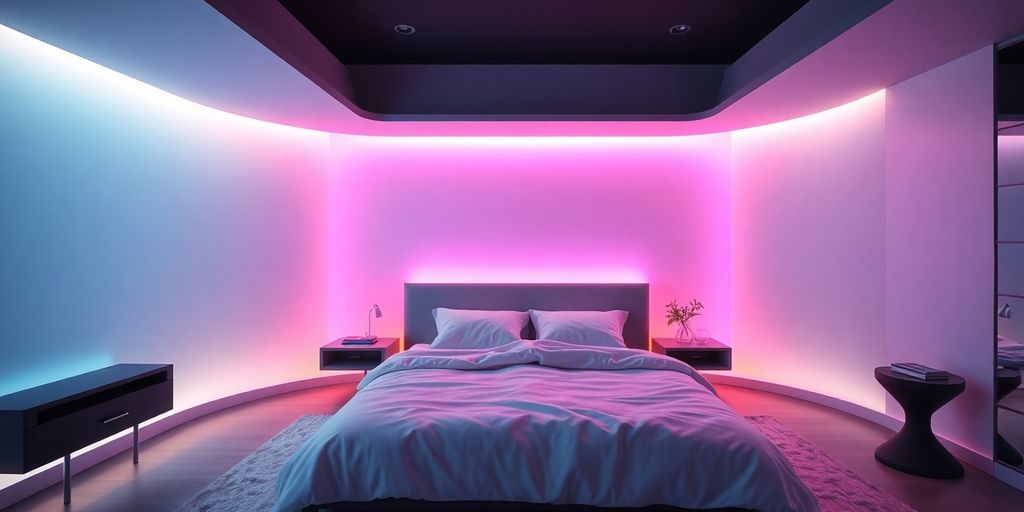
It’s all about making your bedroom work smarter and feel more relaxing these days. Technology is popping up in bedrooms, but in a way that’s meant to be subtle, not in your face. Think about things like speakers hidden away or charging spots that just blend in. It’s about making life easier without making your room look like a tech store.
Discreetly Incorporated Technology
This trend is really about convenience meeting a clean look. We’re seeing more furniture with built-in tech, like beds that have USB ports right there. Wireless chargers are also a big deal, helping to cut down on all those messy cables. The goal is a sleek, uncluttered space that still has all the modern conveniences. It’s a nice way to keep up with the times without sacrificing that peaceful bedroom vibe. You can find some really neat smart furniture options out there that make this easy to achieve.
Mood Lighting for a Calming Atmosphere
Lighting is getting a serious upgrade, moving beyond just a single overhead light. The idea is to create different moods with light. Layering your lighting is key here. You might have dimmable overhead lights, some nice bedside lamps, and then maybe some softer ambient lighting, like LED strips tucked away. This lets you adjust the feel of the room depending on what you’re doing, whether it’s reading or just winding down. It’s about creating a warm, inviting glow that helps you relax. Flexible and creative lighting is definitely setting the tone for relaxation in 2025 bedrooms.
Circadian Lighting for Enhanced Well-being
This is a bit more advanced, but it’s really interesting. Circadian lighting is designed to work with your body’s natural sleep-wake cycle. It mimics natural daylight, getting brighter and cooler during the day and then warmer and dimmer as evening approaches. This can really help regulate your sleep patterns and make you feel more rested. It’s a wellness feature that’s becoming more popular, aiming to make your bedroom a true sanctuary for health. You can find smart bulbs and systems that offer this kind of control, helping to promote better sleep and overall well-being.
Luxurious Details and Bold Accents
Want to make your bedroom feel like a five-star hotel or a personal sanctuary? It’s all about those little touches that make a big difference. Think about adding some sumptuous fabrics and layering textures to create a really inviting space. It’s not just about comfort; it’s about creating an experience.
Luxurious Retreats for a Five-Star Feel
To get that high-end hotel vibe, consider materials like velvet, silk, or high-thread-count cotton for your bedding and upholstery. A plush rug underfoot and elegant curtains can also add a lot to the atmosphere. Don’t shy away from a statement piece, like a beautifully upholstered bench at the foot of the bed or a unique bedside table. These elements contribute to an overall feeling of indulgence and relaxation.
Bold Decor Accents for Personality
This is where you can really let your personality shine. Maybe it’s a striking piece of art on the wall, a vibrant accent chair, or even a dramatic color choice for one wall. Think about adding some unique decorative items that you love. These accents are what make the room uniquely yours and add character. It’s about making choices that bring you joy every time you see them.
Sumptuous Fabrics and Textural Layers
Layering different fabrics is a fantastic way to add depth and warmth. Combine smooth satins with textured linens, or add a chunky knit throw over a soft duvet. Even small details, like decorative pillows in various materials, can make a big impact. Consider materials like bouclé, faux fur, or even a touch of metallic thread for a bit of sparkle. This approach to textiles can transform a simple room into a cozy haven. You can find great ideas for refreshing your bedroom with design elements like these at bedroom design ideas.
Don’t be afraid to mix and match. The most interesting rooms often have a blend of different textures and finishes. It’s about creating a space that feels both sophisticated and comfortable, a true reflection of your personal style.
Curved Silhouettes and Modern Eclecticism
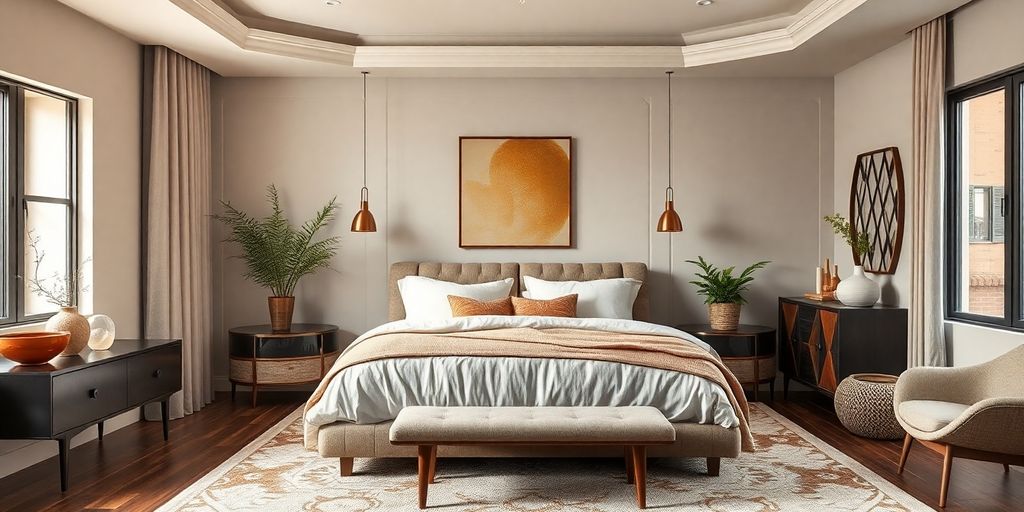
Forget sharp corners and rigid lines; 2025 is all about embracing softer shapes in the bedroom. Think about furniture that flows, creating a more relaxed and inviting atmosphere. This trend leans into a gentle aesthetic, moving away from the starkness that sometimes comes with modern design. It’s a way to make your personal sanctuary feel more like a cozy hug.
Curvy Furniture for a Soft Aesthetic
We’re seeing a definite shift towards furniture with rounded edges and organic forms. Sofas with deep, enveloping curves, circular rugs, and even bedside tables with soft, bulbous legs are becoming really popular. This isn’t just about looks; these shapes can actually make a room feel more spacious and less cluttered. It’s a subtle change that makes a big difference in how a room feels. If you’re looking to update your space, consider swapping out a rectangular coffee table for one with a softer silhouette. It’s a simple way to introduce this trend, and you can find some really unique pieces that add character. Check out some examples of how curved furniture is transforming bedrooms.
Modern Eclecticism: Blending Styles
This is where things get really interesting. Modern eclecticism is all about mixing and matching different styles, eras, and textures to create a space that’s uniquely yours. It’s not about throwing random things together, though. The key is to curate a collection of pieces that speak to you, while still maintaining a sense of cohesion. Think of it as telling your personal story through your decor. You might pair a vintage armchair with a sleek, modern lamp, or hang a contemporary piece of art above an antique dresser. The goal is to create a layered, lived-in feel that’s both sophisticated and comfortable. A good way to start is by picking a base color palette and then layering in pieces from different styles that complement each other.
Timeless Furniture Silhouettes
While we’re embracing curves and eclectic mixes, there’s also a strong pull towards furniture with enduring shapes. These are pieces that have stood the test of time, like classic mid-century modern chairs or traditional four-poster beds, but perhaps with a modern twist. The idea is to invest in quality pieces that won’t go out of style. These silhouettes provide a solid foundation for your bedroom design, allowing you to play with trends and accessories without compromising the room’s overall longevity. It’s about building a space that feels both current and classic, a true reflection of your personal taste that you can enjoy for years to come.
Your Dreamy Retreat Awaits
So, there you have it – a peek into the bedroom styles shaping up for 2025. Whether you’re drawn to calming natural elements, a pop of color, or the sleekness of smart design, there’s something here to help you create your perfect personal space. It’s all about making your bedroom a true sanctuary, a place that feels uniquely yours and helps you unwind. Don’t be afraid to mix and match these ideas to find what truly speaks to you. Happy decorating!
Frequently Asked Questions
How can I use color to make my bedroom feel trendy and good?
Think about colors that make you feel happy and relaxed. You can use bright colors on one wall, or in your pillows and blankets. Mixing a bright color with calm, neutral shades works well so it doesn’t feel too busy.
Can I mix different decorating styles in my bedroom?
Yes, you can mix different styles! For example, you can combine older, classic furniture with newer, modern pieces. This makes your room look unique and interesting.
What kind of materials are trendy for bedrooms in 2025?
For 2025, natural materials like wood, cotton, and linen are popular. These materials help create a calm and peaceful feeling in your room. Using plants also brings nature inside.
How can technology fit into a trendy bedroom design?
You can add technology that makes life easier without being obvious. Think about smart lights you can control with your phone or speakers hidden in furniture. Also, using lights that change with the time of day can help you sleep better.
How can I make my bedroom feel luxurious and personal?
Make your bedroom feel like a special escape. Use soft, comfy bedding, nice lighting, and maybe a fancy headboard for your bed. Adding things you love, like art or special pillows, makes it feel like yours.
Are curved furniture shapes and custom-fit furniture trendy for 2025?
Yes, curved furniture, like beds or chairs with rounded edges, is becoming popular. It makes the room feel softer and more welcoming. You can also use furniture that fits perfectly into your room’s nooks and crannies for a clean look.
The post Discover Your Dreamy Retreat: Trendy Bedroom Ideas for 2025 first appeared on Fern & Grey.
]]>The post Unlock Your Dream Space: Top Trendy Bedroom Designs for 2025 first appeared on Fern & Grey.
]]>Key Takeaways
- Textured walls, like plaster finishes, are in for a cozy, tactile feel.
- Grandmillennial style mixes patterns and vintage touches for a fresh, nostalgic vibe.
- Floor-to-ceiling draped curtains add sophistication and a sense of comfort.
- Minimalism is evolving to include warmth and texture, not just bare essentials.
- Personal touches and bold designs are encouraged to make your space reflect your unique style.
1. Plastered or Textured Walls
Forget flat, boring walls! For 2025, bedrooms are getting a serious dose of character with plastered or textured finishes. Think beyond just paint; we’re talking about walls that you can actually feel. This trend is all about adding depth and a tactile quality to your personal sanctuary. It’s a way to make your bedroom feel more grounded and, honestly, just more interesting.
The Appeal of Texture
Why are textured walls so hot right now? Well, they add a sophisticated, almost artisanal feel to a room. Instead of a smooth, predictable surface, you get something with a bit of grit, a bit of movement. It can make a space feel cozier and more inviting. Plus, it’s a fantastic way to break away from the super-sleek, minimalist looks that have been everywhere for ages. It’s like giving your walls a personality of their own.
Types of Textured Finishes
There are a few ways to get this look:
- Raked Plaster: This involves applying plaster and then using tools to create lines or patterns. It gives a really unique, almost sculpted look.
- Limewash: Offers a soft, matte finish with subtle variations in color and tone. It has a natural, breathable quality.
- Venetian Plaster: For a more polished, marble-like sheen, this is the way to go. It’s smooth but still has depth.
- DIY Texture Paints: If you’re feeling adventurous, some paints come with additives that create a subtle texture when applied.
Creating a Statement
A textured wall can be the main event in your bedroom. It’s a great alternative to wallpaper or a bold paint color, offering a more subtle yet impactful statement. You can use it on an accent wall behind your bed or even wrap it around a fireplace for a really dramatic effect. It’s a design choice that feels both modern and timeless. If you’re looking to explore some of the latest in wall finishes, checking out decorative plastering techniques can give you a great starting point.
This trend is perfect for anyone wanting to add a layer of warmth and visual interest without resorting to busy patterns or overly bright colors. It’s about creating a sophisticated backdrop that feels both natural and luxurious.
2. Grandmillennial Aesthetics
This trend is all about bringing back those cozy, nostalgic vibes, but with a fresh, modern twist. Think of it as a sophisticated update on traditional styles, blending vintage finds with current design sensibilities. It’s a reaction against the starkness of some recent trends, favoring warmth, personality, and a sense of history. You’ll see a lot of layered patterns, like florals and stripes, mixed together, often in updated color palettes that feel current rather than dated. It’s about creating a space that feels collected over time, full of character and comfort.
Key Elements of Grandmillennial Bedrooms
- Layered Patterns: Don’t shy away from mixing different prints, from delicate florals to classic stripes, in varying scales. This adds visual interest and depth.
- Vintage and Handmade Touches: Incorporate antique furniture, like a charming nightstand or a vintage mirror, alongside handmade items such as quilts or embroidered pillows. These pieces tell a story and add a unique, personal feel.
- Drapey Textures: Think plush fabrics, soft velvets, and flowing curtains that add a sense of luxury and coziness. These textures invite you to relax and unwind.
- Playful Wallpapers: Bold, patterned wallpapers can serve as a fantastic focal point, adding personality and a touch of whimsy to the room.
- Modern Color Palettes: While drawing inspiration from the past, the color schemes are often updated with contemporary hues, preventing the space from feeling old-fashioned. Think muted pastels, rich jewel tones, or even sophisticated neutrals with pops of color.
This style embraces the idea that a bedroom should feel like a personal sanctuary, filled with items that have meaning and bring joy. It’s a move towards more authentic, inviting spaces that truly reflect the person who lives there, moving away from mass-produced sameness.
If you’re looking to infuse your bedroom with this charming, layered aesthetic, consider exploring unique vintage finds to start building your collection. It’s a style that’s both comforting and deeply personal.
3. Draped Curtains
Forget just hanging curtains to cover a window. The big trend for 2025 is to really lean into draped fabrics, making them a major design element. We’re talking about creating a soft, enveloping feel by draping curtains not just across windows, but also along entire walls, especially behind the bed. This technique really grounds the space and makes your bedroom feel like a cozy, sophisticated retreat.
Creating an Enveloping Atmosphere
This approach is all about building a sense of comfort and luxury. By extending the fabric beyond the usual window frame, you can make a statement and add a unique texture to your room. It’s a way to add depth and a touch of drama without being over the top.
Wall-to-Wall Drapery
Imagine a whole wall, or at least the wall behind your headboard, covered in soft, flowing fabric. This can be achieved using ceiling tracks, sometimes even set a few inches forward from the wall to hide the hardware and create a cleaner look. It’s a fantastic way to add a plush, hotel-like feel to your personal sanctuary. This style works well with various fabrics, from light sheers to heavier, more textured materials, offering a range of looks from airy to dramatic. You can find some great bedroom curtain ideas to get started.
Key Considerations for Draped Curtains:
- Fabric Choice: Think about the weight and texture. Velvet, linen, or even heavier cottons can create a more dramatic, cozy feel, while lighter fabrics can offer a more airy, romantic vibe.
- Color Palette: While bold colors can work, softer, muted tones often enhance the calming and sophisticated atmosphere that draped curtains aim to create.
- Installation: Consider how you’ll hang them. Ceiling tracks are popular for a seamless look, but you might also explore decorative rods or even custom mounting solutions.
- Layering: Don’t be afraid to layer different fabrics or textures for added depth and visual interest.
Draped curtains are more than just window coverings; they’re architectural elements that can redefine a room’s mood and style, turning a simple bedroom into a luxurious haven.
4. Minimalism
Minimalism is sticking around, but it’s getting a warmer, more inviting feel for 2025. Forget those stark, cold spaces you might picture. This trend is all about clean lines, a calm color palette, and furniture that’s both functional and good-looking. Think of it as intentional simplicity, where every item has a purpose and contributes to a peaceful atmosphere.
The key is to create a serene sanctuary, not an empty room. It’s about choosing quality over quantity and letting a few well-selected pieces shine. This approach makes a bedroom feel larger and more organized, which is a big plus for anyone looking to declutter their life. Plus, it photographs really well, which is great if you’re thinking about selling your place.
Furniture Selection
When picking out furniture, go for pieces that are low to the ground and have built-in storage. Think platform beds with drawers underneath or sleek wardrobes that blend into the walls. Multifunctional items are your best friend here – a bench that doubles as storage, for example. The goal is to keep surfaces clear and the room feeling open. You can find some great ideas for designing a bedroom that fit this style.
Color Scheme
Stick with neutral colors. Whites, light grays, soft beiges, and muted earthy tones are perfect for walls and bedding. These colors create a soothing backdrop and make the space feel bigger. You can add subtle warmth with textures rather than bright colors.
Strategic Accents
To keep things interesting without adding clutter, use strategic accents. A single, large piece of art above the bed, a beautifully textured rug, or a minimalist floor lamp can add personality. It’s about making a statement with just a few carefully chosen items. Even a simple, elegant dresser can be a focal point if it’s kept tidy.
Minimalism in 2025 is less about deprivation and more about intentional living. It’s about curating a space that supports your well-being through thoughtful choices and a focus on what truly matters.
5. Eco-Friendly/Sustainable Décor
More and more people are thinking about where their stuff comes from and how it affects the planet. This trend is all about bringing natural elements into your bedroom and making choices that are better for the environment. Think about using materials that are renewable or have been recycled. It’s not just about looking good; it’s about feeling good about your space too.
Choosing sustainable materials can really make a difference in creating a healthier home environment.
Here are some ways to make your bedroom more eco-friendly:
- Materials: Look for furniture made from reclaimed wood or fast-growing bamboo. For bedding and curtains, organic cotton, linen, or Tencel are great choices. These materials often use fewer chemicals in their production.
- Paint: When painting your walls, opt for low-VOC (volatile organic compound) paints. These paints release fewer harmful chemicals into the air, which is better for your health and the air quality inside your home.
- Decor: Incorporate natural elements like plants, stone, or wood accents. Consider secondhand or vintage finds to give items a new life and reduce waste.
Making sustainable choices in your bedroom doesn’t mean sacrificing style. It’s about being more mindful and intentional with your selections, leading to a space that feels both comfortable and responsible.
It’s interesting how this trend is growing. People are realizing that what we choose for our homes can have a bigger impact than we might think. Plus, these natural materials often bring a really nice, calming vibe to a room.
6. Tech Integration
So, bedrooms are getting a serious upgrade, and it’s all about making life easier and more comfortable with smart tech. Think about waking up and just telling your room to open the blinds and start the coffee. It’s not science fiction anymore; it’s becoming pretty standard. The whole smart home market is booming, and the bedroom is the next big place for this stuff.
Smart Lighting
This is more than just dimmers. We’re talking about lights that change color and brightness throughout the day to match your body’s natural sleep-wake cycle. It’s supposed to help you feel more awake in the morning and wind down better at night. Pretty neat, right?
Air Quality Management
Nobody wants stuffy air. Smart purifiers and vents can keep an eye on humidity and pollutants, making sure the air you breathe while you sleep is clean. It’s a small thing, but it can make a big difference in how you feel.
AI-Powered Sleep
This is the really futuristic part. We’re seeing mattresses that can actually track your heart rate, how much you move, and even your oxygen levels. The idea is that this data helps the system figure out how to make your sleep better. It’s like having a sleep coach built into your bed.
Integrating these smart features can really make a bedroom feel modern and luxurious. It’s not just about gadgets; it’s about creating a space that actively contributes to your well-being and daily routine. Plus, for selling a house, it’s a huge selling point, showing that the home is up-to-date and comfortable.
7. Bold and Personal Designs
Forget playing it safe; 2025 is all about making your bedroom a true reflection of you. This trend is a big departure from the cookie-cutter looks we’ve seen for a while. Think of your bedroom as your personal gallery, a space where your personality can really shine through. It’s about embracing what makes you unique and translating that into your decor.
Express Your Story
This is your chance to really lean into what you love. Maybe you have a passion for travel, a favorite historical period, or a collection of art that speaks to you. Incorporate elements that tell your story. This could mean displaying souvenirs from trips, framing meaningful quotes, or using colors and patterns that genuinely excite you. Don’t be afraid to mix and match styles or eras; the goal is authenticity, not perfection.
Bold Color and Pattern Play
If neutrals bore you, this is your moment. Consider an accent wall in a vibrant hue or a striking wallpaper pattern. It doesn’t have to be overwhelming; a single, well-chosen piece can create a significant impact. Think about how different colors make you feel and use them to create the mood you want in your sanctuary.
Curated Collections
Instead of just filling space, fill it with things that matter. This could be anything from vintage finds to handmade items. Displaying your collections, whether they’re antique cameras, pottery, or even interesting rocks, adds a personal touch that mass-produced items just can’t match. It’s about creating a space that feels lived-in and loved.
The key here is intentionality. Every item should have a purpose or a story, contributing to the overall narrative of your personal style. It’s less about following a trend and more about creating a space that genuinely feels like home, a place where you can truly relax and recharge because it’s so uniquely yours.
8. Cultural Fusion
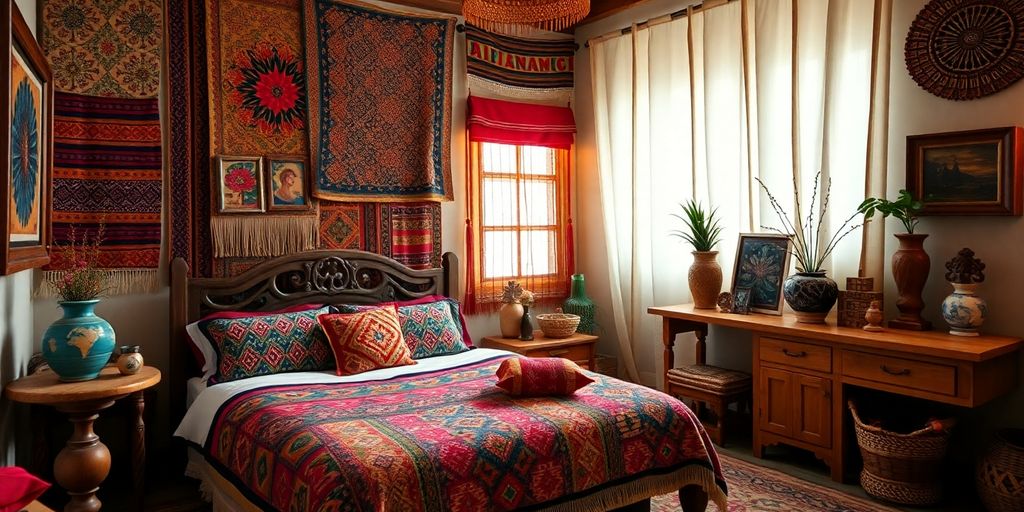
This trend is all about mixing influences from around the globe to create a bedroom that feels uniquely yours. It’s a way to celebrate your heritage, your travels, or simply your appreciation for different cultures. Think about combining traditional textiles from one place with furniture styles from another. It’s not just about throwing random items together, though. The key is to make it feel cohesive and intentional.
Key Principles for Cultural Fusion
- Research & Authenticity: It’s important to use items that are genuinely sourced and to be mindful of cultural symbols. Avoid just grabbing something because it looks cool; try to understand its meaning.
- Cohesion: To make different cultural elements work together, pay attention to color palettes and materials. Picking a few common threads can tie everything together nicely.
- Gradual Introduction: You don’t have to redo your whole room at once. Start small with things like throw pillows or a piece of art, and then build from there as your design idea becomes clearer.
Making it Work in Your Space
The goal is to create a space that tells a story. This could mean displaying souvenirs from trips, incorporating handmade items from different regions, or even using patterns and colors that remind you of specific places. For example, you might pair a modern, clean-lined bed frame with a vibrant, hand-woven rug from Morocco or some intricate ceramic pieces from Mexico. It’s about creating a personal sanctuary that reflects your global perspective.
When done thoughtfully, cultural fusion bedrooms can feel incredibly rich and personal. They offer a departure from the generic and invite a sense of discovery and connection to the wider world. It’s a way to make your bedroom truly stand out.
9. Zen Den
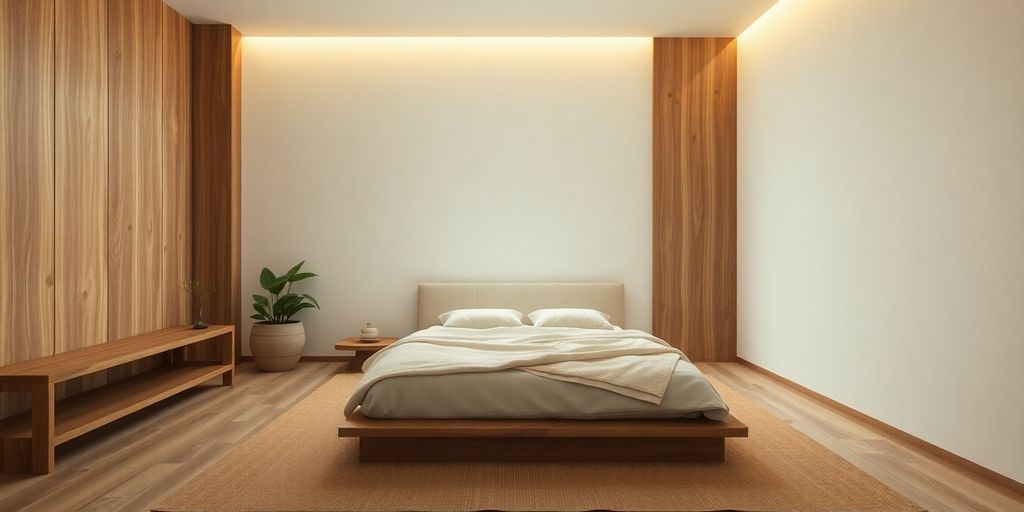
This trend is all about creating a peaceful sanctuary, a place where you can truly unwind and recharge. Think minimalist, Asian-inspired vibes, focusing on simplicity and calm.
Key Elements of a Zen Den
- Color Palette: Stick to neutral and muted tones. Soft whites, creams, grays, and earthy browns are your best friends here. You can add subtle pops of color with pale blues or greens, but keep it low-key.
- Natural Materials: Incorporate elements like bamboo, light wood, stone, and natural fibers. These bring an organic feel into the space.
- Clean Lines: Furniture should have simple, uncluttered designs. Avoid anything too ornate or busy.
- Low-Profile Furniture: A low bed frame or platform bed really helps set the tranquil mood. Think about floor cushions or low seating as well.
- Minimal Clutter: This is probably the most important part. Keep surfaces clear and storage organized. Everything should have its place, out of sight.
- Soothing Lighting: Opt for soft, ambient lighting. Dimmers are great for controlling the mood. Consider paper lanterns or simple, understated lamps.
The goal is to create a space that feels serene and uncluttered, promoting a sense of calm and mindfulness. It’s less about decoration and more about creating an atmosphere of peace.
Creating Your Zen Space
- Declutter Ruthlessly: Go through everything in your bedroom and get rid of anything that doesn’t serve a purpose or bring you joy.
- Choose Your Palette: Select a few calming colors and stick to them for walls, bedding, and decor.
- Introduce Natural Elements: Add a bamboo plant, a stone accent, or wooden furniture.
- Simplify Your Bed: A simple platform bed or a low frame with clean bedding works wonders.
- Layer Lighting: Use a mix of ambient and task lighting, all with a soft glow.
10. Vintage Voyage
Ready to take a trip down memory lane with your bedroom decor? The Vintage Voyage trend is all about bringing in pieces that have a story to tell. Think antique furniture, maybe a cool old trunk for storage, or even some floral wallpaper that feels like it’s from another era. It’s not just about old stuff, though; it’s about creating a cozy, lived-in feel that’s totally unique to you.
Key Elements of a Vintage Voyage Bedroom
- Furniture: Look for pieces with character – think distressed wood, ornate details, or classic silhouettes. Second-hand shops and antique stores are your best friends here.
- Textiles: Layering is key! Mix and match patterns and textures with things like floral prints, lace accents, or even a handmade quilt.
- Decor: Don’t shy away from charming trinkets, old photographs, or even repurposed items like vintage suitcases used as side tables or storage.
- Color Palette: Often leans towards softer, muted tones, but you can definitely add pops of color with accessories to keep it from feeling too dated.
This style is perfect for anyone who loves a bit of nostalgia and wants their bedroom to feel like a personal sanctuary filled with meaningful items. It’s about creating a space that feels warm, inviting, and full of personality, rather than just following a trend.
The goal is to curate a space that feels collected over time, reflecting your personal journey and appreciation for the past. It’s a really charming way to make your bedroom feel extra special and totally yours.
Your Dream Bedroom Awaits
So, there you have it – a peek into the bedroom styles shaping up for 2025. It’s all about making your personal space feel just right, whether that means cozy textures, a touch of vintage charm, or something totally unique to you. Don’t be afraid to mix and match or try out a new color. Your bedroom is your own little world, so have fun making it a place you truly love coming back to. Happy decorating!
Frequently Asked Questions
What are some easy ways to update my bedroom for 2025?
Think about adding cool textures to your walls, like plaster that’s been brushed to make patterns. You can also use flowy curtains that go all the way from the ceiling to the floor. Mixing old and new items, like vintage furniture with modern decor, is also a big hit.
Can I make my bedroom feel more peaceful with these trends?
Yes, you can! Many trends, like using natural materials or choosing calming colors, can make your bedroom feel more relaxing. Even adding a few plants or using soft lighting can help create a peaceful vibe.
How can I make my bedroom design more personal?
Definitely! The idea is to make your bedroom reflect who you are. This could mean using colors you love, displaying items that are special to you, or choosing furniture that fits your personal style, rather than just what’s popular.
What does ‘cultural fusion’ mean for bedroom design?
It’s all about making your space feel unique. You can mix styles from different cultures, like using patterns from one place with furniture from another. This creates a look that’s all your own and tells a story.
What does ‘eco-friendly decor’ involve?
This trend is about using things that are good for the planet, like furniture made from recycled materials or natural fabrics like cotton and linen. It’s about making your room stylish while also being kind to the environment.
How can I add technology to my bedroom design?
You can add smart features like lights you control with your voice or a thermostat that adjusts itself. It’s about making your bedroom more comfortable and modern by using technology.
The post Unlock Your Dream Space: Top Trendy Bedroom Designs for 2025 first appeared on Fern & Grey.
]]>The post Beyond 2025: Unpacking the Latest Living Room Trends for Your Home first appeared on Fern & Grey.
]]>Key Takeaways
- Bold colors and patterns are in, moving away from plain styles towards more personality in living rooms.
- There’s a comeback for ’70s-inspired design, bringing in cozy textures and rich colors.
- Bringing nature indoors through plants and natural light is a big trend for well-being.
- Technology is being integrated more smoothly into living spaces for added convenience.
- Comfort and personal style are top priorities, making sure your living room truly feels like yours.
Embracing Bold Color Palettes and Pattern Play
Forget playing it safe with beige and white. We’re seeing a big shift towards living rooms that really pop. Think bold color palettes and a playful mix of patterns. It’s like your walls are having a party, and everyone’s invited. This isn’t just about slapping some bright paint on; it’s about creating a cohesive look that feels intentional and full of personality.
Maximalism is definitely having a moment. It’s about embracing more, not less. This means layering textures, mixing prints that might seem unexpected, and really letting your personal style shine through. It’s a reaction against the minimalist trends of the past, offering a more expressive and joyful approach to design.
Color drenching, where you use a single color across walls, trim, and even furniture, is a fantastic way to make a space feel unified and impactful. It creates this immersive experience that’s both sophisticated and cozy.
And the patterns! We’re talking about everything from whimsical florals and abstract geometrics to more traditional motifs, all mixed together. It’s about finding fabrics and wallpapers that speak to you and aren’t afraid to stand out.
Don’t be afraid to experiment. Start small with a patterned cushion or a colorful rug, and see how it feels. You might be surprised at how much joy a little pattern play can bring into your home.
Here’s a quick look at how to get started:
- Color Palette: Choose 2-3 main colors and a few accent shades. Don’t shy away from vibrant hues like deep blues, emerald greens, or warm terracotta.
- Pattern Mixing: Combine patterns with different scales and motifs. A large floral print can look great with a smaller geometric or stripe.
- Texture Play: Mix different textures like velvet, linen, boucle, and even faux fur to add depth and interest.
- Balance: While it’s about boldness, ensure there’s still a sense of balance. Use solid colors to break up busy patterns and anchor the space.
Nostalgic Influences and Seventies Cool
It feels like we’re all looking back a bit these days, and our living rooms are no exception. The seventies are definitely having a moment, and honestly, it’s pretty cool. Think cozy textures like velvet, corduroy, and chenille. These aren’t just fabrics; they’re invitations to relax. The colors are rich too – deep jewel tones like emerald green, garnet, and mustard yellow. It’s a vibe that’s both comfortable and a little bit fancy.
This trend isn’t about turning your place into a museum, though. It’s more about picking elements that feel right to you. Maybe it’s a plush velvet cushion, a cool lamp with a unique shape, or even just bringing in some darker wood tones or chrome accents. It’s about creating a mood that feels good, not just following a strict set of rules. It’s a nice change from all the minimalist stuff we’ve seen for so long.
The Enduring Appeal of ’70s Style
This style really hits a sweet spot. It’s got this balance between being a bit maximalist with patterns and colors, but also has this simple, clean architectural feel. It’s less about chasing fleeting fads and more about what actually makes you feel good in your own home. That’s why the seventies are making such a comeback – it taps into that desire for comfort and a sense of personal style. It’s a reaction to the more restrained looks we’ve had, a way to bring back individuality and a bit of fun. You can see this influence popping up everywhere, from fashion runways to home decor magazines. It’s a really adaptable style, so you can play with it in ways that suit your space and your personality. For a touch of this vibe, consider incorporating some earthy tones like Bancha green.
Luxe Textures and Jewel Tones
When we talk about seventies style, the textures are a big part of it. Imagine sinking into a plush velvet sofa or running your hand over a soft corduroy armchair. These materials just scream comfort and luxury. And the colors? They’re deep and inviting, like rich jewel tones. Think about emerald greens, deep burgundies, and warm mustard yellows. These colors create a really cozy and inviting atmosphere. It’s a look that feels both grounded and sophisticated, perfect for creating a living room that feels like a warm hug.
Boho Renaissance in Home Decor
This whole seventies revival is also bringing back a strong boho influence. It’s all about free expression and a more relaxed, eclectic approach to decorating. You might see this in patterned wallpapers, unique furniture pieces, or a mix of different materials like rattan and wood. It’s a style that encourages you to mix and match, to create a space that truly reflects your personality. It’s a beautiful contrast to more rigid design rules, offering a sense of freedom and creativity in how you style your home. It’s a way to reconnect with your own sense of style and make your living room a place that feels uniquely yours.
Integrating Nature for Enhanced Well-being
Elevated Biophilic Design Concepts
Biophilic design is really taking off, and it’s about more than just tossing a few plants into a room. We’re talking about truly connecting your living space with the natural world. Think about using materials like natural wood, stone, or even clay for finishes and furniture. It’s about creating a sense of calm and bringing the outdoors in, even if you live in a city apartment. This approach has real benefits, like reducing stress and making you feel more grounded. It’s a way to make your home feel like a sanctuary, a place where you can truly unwind. Consider incorporating elements that mimic natural patterns or textures to deepen this connection. It’s a subtle but powerful way to improve your overall well-being. You can find great inspiration for natural materials in design.
Living Walls and Natural Light Mimicry
Living walls, those vertical gardens, are becoming a really popular way to add a lot of green without taking up much floor space. But it’s not just about the plants themselves; it’s about creating a dynamic, living element in your home. Some systems even have built-in irrigation, making them pretty low-maintenance. Beyond that, think about how you can play with light. Smart glass or strategically placed skylights can mimic the natural progression of daylight, which can really affect your mood and energy levels. It’s about making your indoor environment feel more alive and responsive to natural rhythms. Even simple things like sheer curtains that let in diffused light can make a big difference.
Multi-Sensory Nature-Inspired Experiences
This trend goes beyond just the visual. It’s about engaging all your senses to create a more immersive nature experience indoors. Imagine incorporating natural scents, like subtle pine or lavender, through diffusers. You can also think about soundscapes – perhaps the gentle sound of rain or birdsong playing softly in the background. Combining these elements with natural textures, like a rough-hewn wooden coffee table or soft, linen upholstery, creates a richer, more comforting atmosphere. It’s about building a holistic environment that feels genuinely restorative.
- Texture: Incorporate rough wood, smooth stones, soft moss-like fabrics.
- Scent: Use natural essential oils like cedarwood, eucalyptus, or lavender.
- Sound: Play ambient nature sounds or calming instrumental music.
- Light: Maximize natural light and use warm, dimmable artificial lighting in the evenings.
The Seamless Integration of Technology
It’s getting harder to ignore how much technology is woven into our daily lives, and our living rooms are no exception. Forget clunky gadgets; the trend now is for tech to just work without being in your face. Think about lighting that adjusts on its own when you walk into a room, or how your thermostat learns your schedule. It’s all about making things easier and more comfortable, without you having to fiddle with a bunch of remotes or apps all the time.
Smart Spaces for Modern Living
This is really about making your home work for you. We’re seeing more and more devices that connect and communicate, creating a more responsive environment. It’s not just about having a smart speaker; it’s about how all these pieces fit together to simplify your routines. Imagine your living room automatically dimming the lights and turning on your favorite music when you settle in for the evening. That’s the kind of intuitive living we’re talking about.
Motion-Activated Lighting and Climate Control
This is a big one for both convenience and saving energy. Lights that turn on when you enter a room and off when you leave mean you’re not wasting electricity. Similarly, smart thermostats can adjust the temperature based on whether someone’s home or not, or even learn your preferred settings. It’s a subtle change, but it makes a difference in how your home feels and how much you spend on utilities.
App-Controlled Features for Convenience
While the goal is often for tech to be invisible, sometimes having control at your fingertips is exactly what you want. Smart home apps let you manage everything from your entertainment system to your window blinds, all from your phone or tablet. You can pre-heat your room before you get home, check if you left the lights on, or even set up custom scenes for movie nights. It puts you in charge, making your living space truly yours.
The key is that this technology should feel helpful, not intrusive. It’s about creating a home that anticipates your needs and makes everyday tasks simpler, allowing you to focus more on relaxing and enjoying your space.
Prioritizing Comfort and Personal Style
It’s easy to get caught up in the latest fads, but honestly, the most important thing is making your living room feel like you. Think about what truly makes you feel relaxed and happy in your own space. This isn’t about following a strict set of rules; it’s about creating a personal sanctuary that reflects your journey and tastes.
Investment in Enduring Personal Aesthetics
Instead of chasing fleeting trends, focus on building a style that lasts. This means choosing furniture and decor that you genuinely love and that will stand the test of time, both in quality and in your personal appeal. It’s about creating a foundation that you can build upon, adding pieces that tell your story over the years. Think about investing in a really comfortable sofa or a unique armchair that you’ll want to keep for a long time. This approach makes your home feel more authentic and less like a showroom.
Creating Spaces That Resonate with Self
Your living room should be a place where you can truly be yourself. Consider how you use the space. Do you love reading? Maybe you need a cozy nook with good lighting. Do you entertain often? Then comfortable seating and easy flow are key. Personal touches, like displaying art you’ve collected or photos of loved ones, make a huge difference. It’s about curating elements that bring you joy and comfort, making the room feel lived-in and loved. We’re seeing a move away from generic looks towards spaces that have real character, like those inspired by 70s style.
The Importance of Feeling Good at Home
Ultimately, the goal is to create a living room where you feel good. This involves a mix of comfort, functionality, and personal expression. It’s about the tactile experience – the feel of soft fabrics, the warmth of good lighting, and the visual calm of a well-organized space. When your living room feels right, it impacts your overall well-being. It becomes a place you genuinely look forward to spending time in, a true retreat from the outside world.
Here’s a quick checklist to help you get there:
- Assess your current space: What’s working, and what isn’t?
- Identify your comfort needs: What makes you feel relaxed?
- Incorporate personal items: Display photos, art, or collections that mean something to you.
- Prioritize quality over quantity: Choose pieces you truly love.
- Consider the senses: Think about lighting, textures, and even scent.
Making your living room a place that truly feels like home is an ongoing process. It’s about making conscious choices that support your lifestyle and bring you happiness, rather than just decorating for decoration’s sake. The best living rooms are those that evolve with you.
The Strategic Role of Home Staging
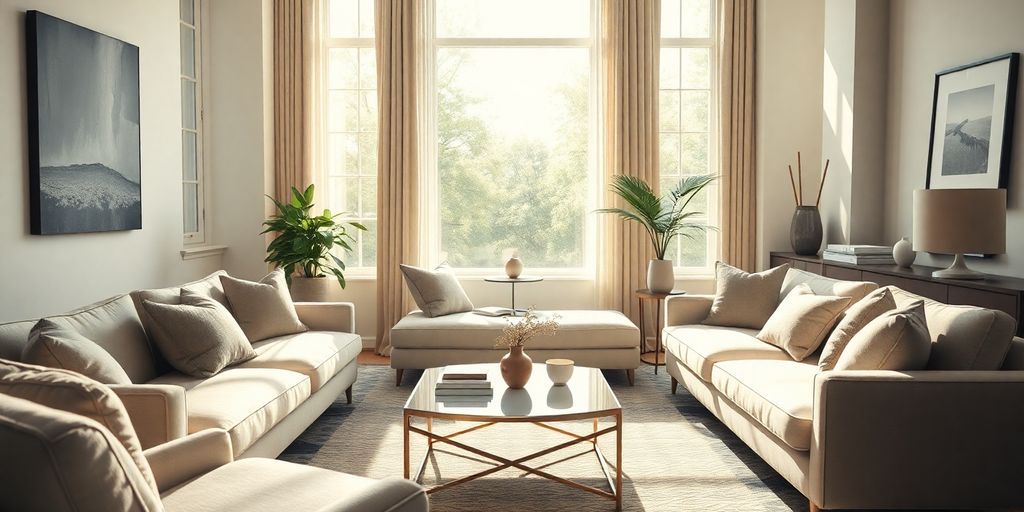
In today’s real estate market, making a strong first impression is everything. That’s where home staging comes in. It’s not just about tidying up; it’s about presenting your home in the best possible light to potential buyers. Think of it as giving your house a professional makeover specifically for selling. The goal is to help people imagine themselves living there, creating an emotional connection that can speed up the sale and potentially get you a better price. It’s a smart way to make your property stand out.
Creating Lifestyle Experiences for Buyers
Home staging is all about crafting a narrative. Instead of just showing an empty room, stagers aim to create a lifestyle that buyers can aspire to. This means carefully selecting furniture, decor, and even scents to evoke a feeling of warmth and desirability. It’s about showing the potential of the space, not just its current state. For instance, a staged living room might feature comfortable seating arranged for conversation, a stylish coffee table with a few curated books, and soft lighting, suggesting cozy evenings. This approach helps buyers connect with the home on a deeper level, making it feel more like a dream home than just a property listing. You can find some great tips on creating aspirational lifestyles through staging.
Enhancing Property Appeal in a Competitive Market
When your home is on the market, it’s competing with many others. Home staging is a powerful tool to make yours shine. It involves decluttering, depersonalizing, and then strategically adding elements that highlight the home’s best features. This might include:
- Arranging furniture to maximize perceived space and improve flow.
- Using a neutral color palette to appeal to a wider audience.
- Adding pops of color and texture through accessories like throw pillows and rugs.
- Ensuring good lighting, both natural and artificial, to make spaces feel bright and welcoming.
By focusing on these details, staging makes a property more attractive online and in person, drawing in more potential buyers.
Transforming Spaces into Dream Homes
Ultimately, the aim of home staging is to transform a house into a place that buyers can envision as their own. It’s about creating an inviting atmosphere where potential buyers feel instantly comfortable and excited about the possibilities. This often involves:
- Defining the purpose of each room: Making it clear whether a space is a dining room, office, or guest bedroom.
- Incorporating elements that appeal to current design trends, like natural materials or smart home features.
- Adding finishing touches like fresh flowers or a bowl of fruit to make the space feel lived-in and cared for.
When buyers walk into a staged home, they should feel a sense of possibility and ease. It’s about selling a feeling, a lifestyle, and the idea of a future home, not just bricks and mortar. This emotional connection is what makes staging so effective in the current market.
Wellness-Focused Living Room Design
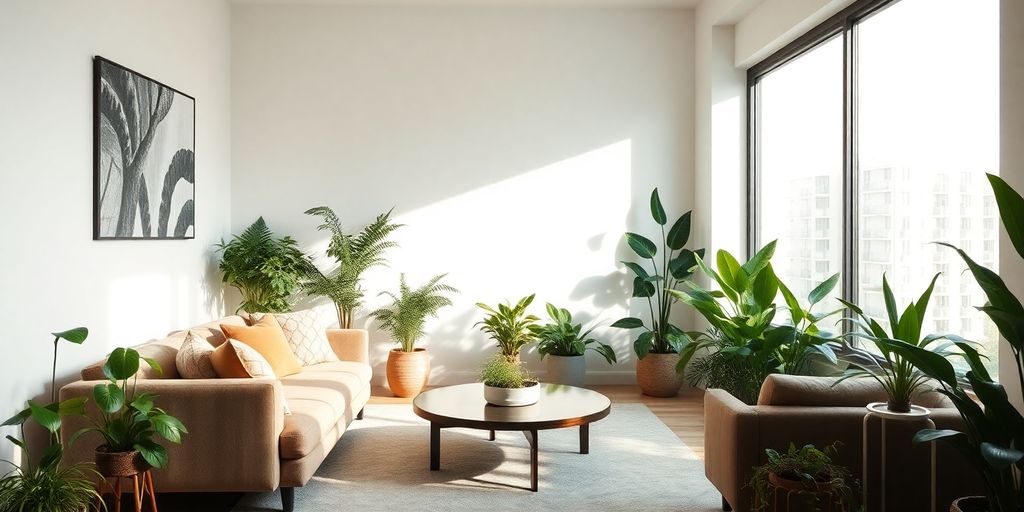
Designing your living room with wellness in mind is becoming a major focus. It’s not just about making the space look good, but about how it makes you feel. Think about creating an environment that supports your physical and mental health, making your home a true sanctuary.
Holistic Well-being in Home Environments
This trend is all about looking at your living room as a whole system that contributes to your overall well-being. It means considering everything from the air you breathe to the sounds you hear, and how these elements impact your mood and stress levels. It’s about creating a space that actively promotes relaxation and rejuvenation.
Creating Zones for Relaxation and Movement
Consider dividing your living room into distinct areas. You might have a cozy corner for reading with a comfortable armchair and good lighting, and perhaps an open space for gentle stretching or yoga. Even small adjustments, like placing a comfortable floor cushion in a sunny spot, can create a dedicated zone for mindfulness. The goal is to make your living room adaptable to different needs throughout the day.
Air Quality and Acoustic Comfort
Paying attention to air quality is key. This could mean incorporating air-purifying plants, using natural, low-VOC paints and finishes, or even investing in a good air purifier. Similarly, think about sound. Soft furnishings like rugs and curtains can help absorb noise, creating a more peaceful atmosphere. You might also consider sound-masking systems or simply choosing decor that doesn’t create harsh echoes. Making your living room a quiet, breathable space is a big part of the wellness equation. For more ideas on creating a balanced home, check out designing with balance.
Creating a living room that supports wellness is an investment in yourself. It’s about making conscious choices that contribute to a calmer, healthier, and happier life at home.
Wrapping It Up: Your Home, Your Style
So, as we look ahead, it’s clear that 2025 is all about making your living room truly yours. We’re seeing a move towards styles that feel good and reflect personality, like the cozy vibes of the ’70s or bold patterns that add character. It’s not just about following trends, but about picking what makes you happy and comfortable in your own space. Whether it’s adding some natural elements, playing with color, or even integrating a bit of smart tech, the goal is to create a home that feels both current and deeply personal. Don’t be afraid to mix and match, or to start small. The most important thing is that your living room is a place where you can relax and feel completely at home.
Frequently Asked Questions
What are the main ideas for using colors and patterns in my living room?
Think bright colors and fun patterns! Instead of just one accent wall, try painting a whole room in a bold color, or mix and match different patterns on your furniture and curtains. It’s all about making your living room feel lively and personal.
Is the 70s style really coming back for living rooms?
Yes, the 1970s are back in style! This means soft, comfy fabrics like velvet and corduroy, along with rich colors like deep greens, mustards, and burgundies. It’s a cozy and stylish look.
How can I bring nature into my living room for a healthier home?
Absolutely! Bringing plants and natural elements inside makes your home feel calmer and healthier. This can include things like living plant walls, using wood or stone in your furniture, and even using lights that copy natural daylight.
How is technology being used in living rooms now?
Smart technology is becoming a big part of our homes. Think lights that turn on when you walk into a room or thermostats you can control with your phone. It’s about making your living room work for you easily.
Why is personal style and comfort so important in living room design?
It’s super important to create a space that feels good to you personally. This means choosing furniture and decor that you love and that reflects your own style, rather than just following trends. Comfort and making your space feel like ‘you’ is key.
What is home staging and why is it important for selling a house?
Home staging helps sell houses faster by making them look their best. It’s about setting up the living room to show buyers a nice lifestyle, using open layouts, simple designs, and natural touches so they can imagine living there.
The post Beyond 2025: Unpacking the Latest Living Room Trends for Your Home first appeared on Fern & Grey.
]]>The post Mastering Interior Design for 2025: Fresh Ideas and Future Trends first appeared on Fern & Grey.
]]>Key Takeaways
- Expect a big move towards earth tones, with shades like Mocha Mousse leading the way, layered with creams and beiges for a cozy feel. But don’t be afraid to add bright pops of color to liven things up.
- Biophilic design is getting deeper. Think living walls, indoor water features, and lots of natural materials and shapes to bring the outdoors in and create a calming atmosphere.
- Smart home tech is becoming less noticeable and more about making life easier. It’s about voice controls that just work and furniture that does more, all blending into the background.
- Vintage maximalism is back, and it’s a fun way to mix old and new. Layering textures, using bold colors, and picking statement pieces from different decades will be huge.
- Sustainability is no longer optional. Expect more recycled materials, eco-friendly building stuff, and natural fabrics. It’s about making choices that are good for the planet and for us.
Embracing Earth Tones and Bold Accents
Get ready to ground your space with the comforting embrace of earth tones in 2025. This year, we’re leaning into the natural world for inspiration, creating interiors that feel both sophisticated and deeply calming. Think of it as building a serene foundation, a quiet backdrop that allows other elements to truly shine.
Pantone’s Mocha Mousse: A Rich Foundation for 2025 Palettes
Pantone’s pick for the year, Mocha Mousse, is a game-changer. It’s not just a brown; it’s a rich, warm hue that feels incredibly luxurious. This shade is perfect for creating a cozy atmosphere, and it works beautifully as a base for almost any color scheme you can imagine. It’s the kind of color that makes you want to curl up with a good book.
Layering Browns, Beiges, and Creams for Elegant Backdrops
Forget stark white walls. In 2025, the trend is all about layering subtle variations of browns, beiges, and creams. This creates a sophisticated, almost monochromatic look that feels incredibly inviting. Imagine a living room with a creamy beige sofa, a tan rug, and accent pillows in various shades of taupe and mushroom. It’s about creating depth and warmth through these closely related tones. This approach to color palettes brings a sense of understated elegance that’s hard to beat.
Strategic Pops of Vibrant Color for Dynamic Spaces
While earth tones provide the calm, strategic pops of vibrant color add the excitement. Think of a mostly neutral room suddenly brought to life with a bright cobalt blue vase or a striking emerald green armchair. These accents prevent the space from feeling too subdued and add personality. It’s about balance – the grounding effect of the earth tones paired with the energy of a bold accent. This contrast keeps the design interesting and dynamic, making your home feel both peaceful and alive.
Biophilic Design 2.0: Deepening Nature’s Embrace
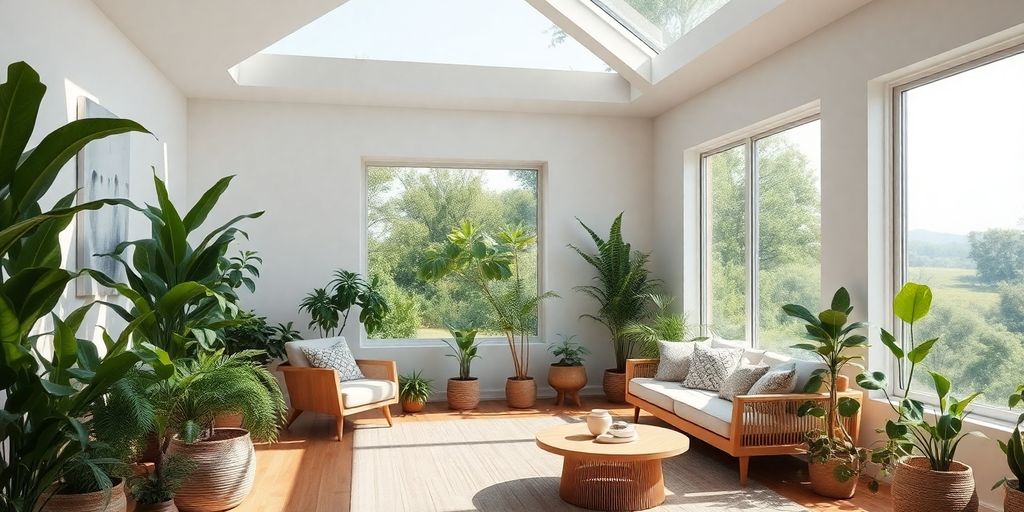
Biophilic design is really taking off, and for 2025, it’s not just about adding a few plants here and there. We’re talking about making nature a central part of your home’s feel. It’s about creating spaces that genuinely mimic the outdoors, using natural light, organic shapes, and materials like wood, stone, and bamboo. This trend goes beyond just looking good; it’s about how these spaces make us feel, aiming to boost our well-being.
Living Walls and Indoor Gardens as Central Features
Forget small potted plants on a shelf. In 2025, living walls and indoor gardens are becoming the main event in rooms. Think floor-to-ceiling green walls or dedicated indoor garden areas that really define the space. They’re not just decorative; they actively contribute to the atmosphere, bringing life and color right into your living area.
Incorporating Water Features for Tranquility
Adding water elements is another way designers are bringing nature indoors. Small indoor fountains or even subtle water features integrated into furniture can create a really calming vibe. The gentle sound of moving water is surprisingly effective at reducing stress and making a room feel more peaceful. It’s a simple addition that makes a big difference.
Emphasizing Natural Textures and Organic Shapes
This part of biophilic design is all about touch and form. We’re seeing more furniture with raw-edged wood, woven wall hangings, and decor that features natural, imperfect shapes. It’s about creating a tactile experience that connects us to the natural world. Think about a rough-hewn wooden table or a rug with a soft, organic pattern – these elements add depth and a sense of calm.
The Evolution of Smart Homes: Technology with Soul
Technology in our homes is getting smarter, but it’s also getting a lot more thoughtful. Forget clunky gadgets and confusing remotes; 2025 is all about tech that just works without getting in your way. It’s about making your home more comfortable and easier to manage, but in a way that feels natural, not intrusive. Think of it as technology with a personality, one that understands what you need before you even ask.
Seamless and Intuitive Voice-Activated Controls
Voice control is really taking off, moving beyond just playing music. Now, you can manage your lights, adjust the thermostat, or even start your coffee maker with simple voice commands. The goal is for these systems to blend into your daily routine so smoothly, you barely notice they’re there. It’s less about a command and more about a conversation with your home.
Smart Furniture Enhancing Daily Living
Furniture is getting a serious upgrade. We’re seeing beds that can track your sleep patterns to help you wake up feeling more rested, or sofas that can adjust their firmness for better comfort. It’s furniture that actively contributes to your well-being and makes everyday tasks just a little bit easier.
Invisible Technology Integrated into Surfaces
This is where things get really interesting. Imagine charging your phone just by placing it on your coffee table, or windows that automatically tint to block out harsh sunlight. Smart glass, hidden charging pads, and home automation systems that learn your habits are becoming more common. It’s technology that’s there when you need it, but completely out of sight when you don’t, keeping your spaces looking clean and uncluttered.
Vintage Maximalism: A Celebration of Eclectic Style
Remember when everything was super clean and minimalist? Well, get ready for a big shift because 2025 is all about Vintage Maximalism. This isn’t just about throwing a bunch of stuff together; it’s a curated explosion of personality, history, and texture. Think of it as collecting treasures from different eras and letting them tell a story in your home. It’s a move away from the sterile and towards spaces that feel lived-in, unique, and deeply personal.
Mixing Statement Pieces from Various Eras
This trend really encourages you to pull from different decades. Don’t be afraid to mix a mid-century modern armchair with an ornate Victorian rug or some groovy 70s lamps. The key is to find pieces that speak to you, regardless of their origin. It’s about creating a dialogue between different styles and periods, resulting in a look that’s anything but boring. Think of your home as a living museum of your favorite things.
Layering Rich Textures for Tactile Depth
To really nail the vintage maximalist vibe, texture is your best friend. Combine plush velvets with rough-hewn wood, smooth silks with chunky knits, and maybe some distressed leather thrown in for good measure. Layering these different materials adds a sensory richness that makes a space feel warm and inviting. It’s about creating visual interest and a cozy, tactile experience that draws you in.
Bold Color Palettes with Jewel Tones and Pastels
Forget playing it safe with color. Vintage maximalism embraces a daring approach, often mixing deep, saturated jewel tones like emerald, sapphire, and amethyst with softer, more delicate pastels. This contrast creates a dynamic and sophisticated look. Imagine a deep teal wall paired with a blush pink sofa, or amethyst accents against a pale mint background. It’s a playful yet elegant way to bring life and energy into your rooms.
Sustainability as a Design Standard
Sustainability isn’t just a buzzword anymore; it’s becoming the baseline for how we design our homes. People are really starting to care about where their stuff comes from and how it’s made. This means we’re seeing a big push towards using materials that are kinder to the planet. Think about it – choosing recycled or upcycled items isn’t just good for the environment, it also adds a unique story to your space. It’s about making conscious choices that feel good and look great.
Prioritizing Recycled and Upcycled Materials
This is where creativity really shines. Instead of tossing old items, designers are finding ways to give them new life. Old wood can become a stunning feature wall, vintage fabrics can be reupholstered into statement chairs, and even reclaimed metal can be fashioned into unique lighting fixtures. It’s a fantastic way to reduce waste and inject character into your home. Plus, it often means you end up with one-of-a-kind pieces that you won’t find anywhere else. It’s a move away from mass-produced items and towards more thoughtful, curated selections. We’re seeing a lot of interest in furniture made from recycled plastics or reclaimed timber, which are both stylish and responsible choices for your home’s interior.
The Rise of Eco-Friendly Building Materials
Beyond furniture and decor, the actual building materials are getting a green makeover. We’re talking about things like bamboo, which grows incredibly fast, or cork, which is harvested without harming the tree. Recycled glass countertops and low-VOC paints are also becoming more common. The key here is transparency – knowing the origin and the environmental impact of the materials used in construction and renovation is becoming increasingly important for homeowners. It’s about building a healthier home from the ground up.
Choosing Sustainable Textiles for a Healthier Planet
When it comes to fabrics, the focus is on natural, renewable, and less resource-intensive options. Organic cotton, hemp, and linen are making a big comeback. These materials are not only biodegradable but also require less water and fewer pesticides to grow compared to conventional cotton. Even newer materials like Tencel, made from wood pulp, are gaining traction for their softness and eco-friendly production process. Using these textiles means you’re not only creating a comfortable and beautiful space but also contributing to a healthier planet, one cozy blanket or stylish curtain at a time.
Soft Curves and Organic Forms Redefining Comfort
Forget those sharp, edgy styles that were everywhere a few years back. For 2025, it’s all about softening things up with curves and shapes that feel more natural, more like they grew that way. This trend is really about making spaces feel super cozy and balanced, you know, a place where you can actually relax. It’s a nice change from all the hard lines we’ve been seeing.
Curved Sofas and Armchairs for Relaxation
Think about sinking into a sofa that wraps around you a bit, or an armchair with no sharp corners. These pieces aren’t just furniture; they’re practically invitations to unwind. They encourage conversation too, making the living room feel more like a gathering spot than just a room with stuff in it. It’s a subtle shift, but it makes a big difference in how a room feels.
Circular Rugs and Tables for Gentle Flow
Instead of a rectangular coffee table that chops up the room, picture a round one. Same goes for rugs. A circular rug can really tie a seating area together without creating any harsh boundaries. It helps the eye move around the room more easily, giving everything a smoother, more connected feel. It’s a simple way to add a bit of softness to your layout.
Arched Doorways and Windows for Modern Elegance
This is a bit more of a structural change, but arches are making a comeback, and they’re not just for old buildings anymore. Arched doorways and windows add a touch of classic charm but feel totally fresh and modern. They break up the monotony of straight lines and add a bit of architectural interest that feels really sophisticated. It’s a way to bring in a bit of that organic, flowing feel on a larger scale. You can find some really beautiful examples of this trend in modern home renovations.
The move towards softer shapes is really about creating environments that feel more human and less manufactured. It’s about comfort and a sense of ease, making our homes feel like true sanctuaries.
Wellness-Centric Design for Mindful Living
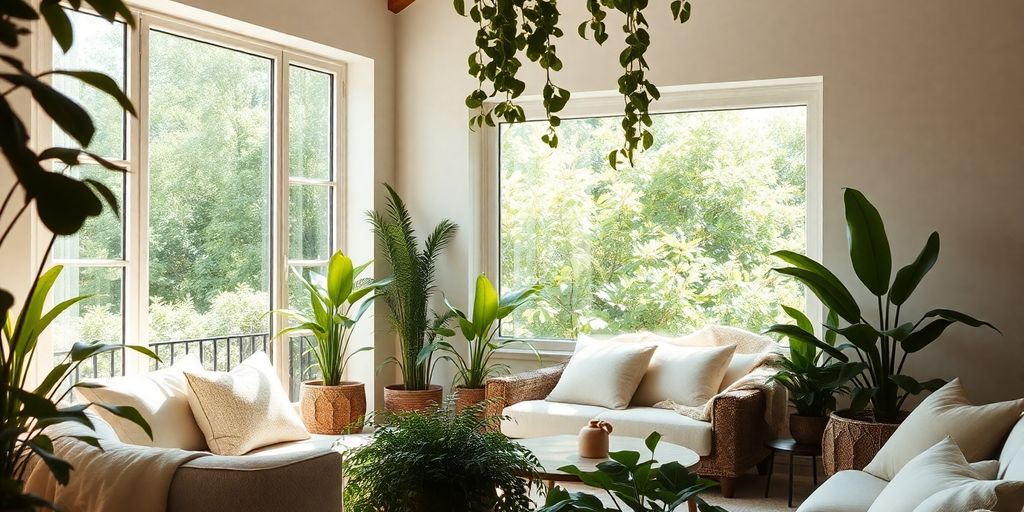
In 2025, our homes are really becoming more than just places to crash after a long day. They’re turning into personal sanctuaries, places where we can actually take care of ourselves, mentally and physically. It’s all about creating spaces that help us feel balanced and recharged. Think about it – the way your home is set up can totally affect your mood and how you feel day-to-day. So, designers are really focusing on making sure our living areas support our overall health.
Improving Indoor Air Quality with Plants and Filtration
Good air quality is a big deal for well-being. We’re seeing a lot more homes with air-purifying plants, not just as decoration, but as actual features. Plus, better filtration systems are becoming standard. It’s about creating a healthier environment right inside your own four walls. Having plants around just makes the space feel more alive, you know?
Utilizing Circadian Lighting for Sleep Regulation
Lighting plays a huge role in our body clocks. Circadian lighting is designed to mimic natural daylight patterns. This means the light in your home can actually help you sleep better at night and feel more alert during the day. It’s a pretty neat way to use technology to support your natural rhythms. Getting your sleep right makes such a difference in how you feel.
Creating Dedicated Spaces for Meditation and Relaxation
More and more, people are carving out specific spots in their homes just for quiet time. This could be a small corner with a comfy cushion for meditation or a cozy nook with a good book. It’s about having a designated area that signals it’s time to slow down and de-stress. These little retreats are key for mindfulness and unwinding. You can learn more about creating serene and functional wellness spaces by integrating mindfulness with practical luxury interior design.
The focus is on making our homes work for our well-being, not the other way around. It’s a shift towards intentional living, where every design choice supports a healthier, happier life.
Bold and Artistic Kitchens: The Heart of the Home
Forget those sterile, all-white kitchens of years past. In 2025, the kitchen is really stepping into its own as the vibrant heart of the home, a place where personality and art take center stage. We’re seeing a move towards spaces that feel more lived-in, more expressive, and frankly, a lot more fun. It’s about making a statement, whether that’s through a splash of unexpected color or a collection of unique pieces that tell your story. Think of it as your personal gallery, but with a really great oven.
Vibrant Backsplashes and Hand-Painted Murals
This is where you can really let loose. Forget subway tile; we’re talking about backsplashes that are pure art. Imagine bold geometric patterns that draw the eye, or perhaps a custom hand-painted mural that brings a touch of the unexpected to your daily routine. These aren’t just functional surfaces; they’re conversation starters, adding a unique character that mass-produced materials just can’t match. It’s a chance to inject serious personality into the busiest room in the house.
Colored, Shaped, and Retro Kitchen Units
The cabinetry is getting a makeover too. Instead of the usual suspects, designers are playing with color – think deep emerald greens, warm terracotta, or even playful pastels. And it’s not just about color; the shapes of the units themselves are becoming more interesting, with curved edges or unique configurations that break away from the standard box. Plus, there’s a definite nod to retro styles, bringing in a sense of nostalgia and timeless charm that feels both familiar and fresh.
Mixing Metals for Contrasting Hardware
Hardware is the jewelry of the kitchen, and in 2025, it’s all about mixing and matching. Don’t be afraid to combine different metal finishes – maybe brass knobs on a navy blue cabinet, paired with matte black drawer pulls. This blend of metals adds depth and visual interest, preventing the space from feeling too uniform. It’s a small detail that makes a big impact, giving your kitchen a sophisticated, curated feel.
Wrapping It Up: Your 2025 Design Journey
So, as we look ahead to 2025, it’s clear that interior design is really about making spaces that feel good and work for us. We’re seeing a move towards warmer colors, more natural elements, and homes that can adapt to whatever life throws our way. It’s less about following every single trend and more about picking what truly makes your home feel like yours. Whether that’s a bold kitchen, a cozy reading nook, or a space that’s super easy to live in, the goal is to create a place that reflects you. Don’t be afraid to mix and match, add your own personal touches, and really make your home a reflection of your life. Happy designing!
Frequently Asked Questions
What colors are popular for home design in 2025?
Think about using warm, earthy colors like browns, beiges, and creams. You can add a pop of a brighter color, like a deep blue or a sunny yellow, to make the room more lively.
What is biophilic design and how can I use it?
Biophilic design means bringing nature inside. You can do this with living walls, indoor plants, water features like small fountains, and using natural materials like wood and stone.
How is smart home technology changing?
Smart homes in 2025 will focus on technology that’s easy to use and blends in. This includes things like voice commands for lights and music, furniture that helps you, and hidden tech like wireless chargers in tables.
What is vintage maximalism in interior design?
Vintage maximalism is about mixing old and new styles. Use colorful furniture from different time periods, mix different textures like soft velvet with rougher fabrics, and use bold colors.
Is sustainability important in 2025 interior design?
Yes, using recycled materials, eco-friendly building supplies, and sustainable fabrics like organic cotton is very important. It’s about making choices that are good for the planet.
How can I make my home feel more comfortable and relaxed?
You can create a more comfortable space by using furniture with soft curves, like round sofas. Also, using circular rugs and tables can make a room feel more gentle and flowing.
The post Mastering Interior Design for 2025: Fresh Ideas and Future Trends first appeared on Fern & Grey.
]]>The post Making small changes to transform your living room first appeared on Fern & Grey.
]]>When you begin to feel bored of your living room and you develop that itch to decorate (hey, we’ve all experienced it) step away from the paint and wallpaper aisles of your hardware store and focus on updating a few, simple features. Playing with the correct elements can make your living room feel like it’s had an entire makeover, and you don’t have to invest your time and resources heavily.
Colour
Most of us think about colour when we think about interior design. Colour schemes, accents, patterns. Colour speaks to us, defines who we are, and can set the mood of your living room. If you like to play with colour and are partial to a change, save your pennies by going for muted walls from the offset, changing your colour accents and furniture as often as you’d like, without having to get the paint roller out.
Colour accents are easy to switch up and they don’t have to be permanent changes. Mix up the colour of your living room by adding new artwork, playing with complementary and contrasting colours, and moving your colour accents to change the dynamic of your room. Your favourite colour might not always be the best colour for your living room, so try to go for colours that will relax, inspire or comfort you, instead of the colours that your eyes are first drawn to.
Lighting
Change the brightness of your lighting and alter the balance between your light sources. If you usually rely on one main ceiling light, reduce the brightness and add a few table or floor lamps for spotlighting. Light is crucial for defining space, especially in large multi-use rooms, so use what you have available to make a change.
Just by changing the location of your lamps will alter the flow of you room and update the dynamics. You are more likely to gravitate towards the light for reading, watching television, and talking to other people in the room. By simply changing where your spotlighting is, it could be a nice breath of fresh air if you’re a creature of habit.
Soft furnishings
Soft furnishings are so simple but we rely on them heavily for bringing texture, colour, and pattern into our living rooms. Instead of considering your soft furnishings secondary to your harder furnishings, put your curtains, drapes, cushions, rugs, and blinds at the forefront of your mind to create an entire design overhaul.
Making small changes, one at a time, can be easier for us to achieve the desired look. With trial and error, we can use our judgement consistently as we transform and strive to achieve the perfect living room for ourselves.
The post Making small changes to transform your living room first appeared on Fern & Grey.
]]>The post What to Do and Not to Do in a Living Space first appeared on Fern & Grey.
]]>
Plan Everything
Having a generic plan in mind helps give an idea of what a room should be like. Every little detail is not important at the planning stages, but a general idea can help. Before deciding on the look of a room, do lots of research. Scour magazines, websites and catalogues for styles, colours and designs. Choose things that capture your attention and then refine later.
Remember: Once a decision is made, stand by it. Change can be good, but it can take a while to get used to.
Choose the Right Furniture
Sometimes it can take time to find a piece of furniture that fits into a room just right. This can fall into the category of planning, but choosing the right furniture is crucial for any room and is often a major task in itself. Do not settle for the first nice thing that you see
Here at Fern & Grey we have a stunning selection of Scandinavian furniture including coffee tables, media storage and sideboards to make any home simply stylish. If you’re looking for a finishing touch or even a feature piece, get browsing.
Tip: Do not line furniture up against the wall. This can make any room like smaller, and can leave a lot of dead space.
Accessorise
Modern furniture can be made to look out of place, especially if the wrong sorts of accessories are used. Firstly, choose curtains the match the colour of major items. This can bring cohesion between living room furniture and the rest of the space. When it comes to accessorising, small finds from markets and craft shows can go a long way. Whether it is an artefact or some other treasured item, mid century modern furniture can be made to fit right in – even if everything else is more contemporary.
The flooring
Flooring can be used to bring any mid century furniture or dining room furniture to life. Floor coverings can vary from tiles, carpet or wood, however, use a colour that is a similar or darker shade than the walls. This helps any new furniture stand out for all the right reasons.
Use Asymmetry
In some cases asymmetry can help draw attention to a room’s focal points, adding excitement to a room and giving it a sense of motion. Asymmetrical looks are easier than to create than symmetrical ones – especially if the change is made all at once. Sometimes using asymmetry can help balance out areas that seem uncomfortable.
Tip: For homes with few residents or guests, place seating on two sides of the living room in an L shape. This directs attention to the third and fourth sides of the space and makes seating easier to reach.
Do you have any tips for arranging a living space? Let us know on social media!
The post What to Do and Not to Do in a Living Space first appeared on Fern & Grey.
]]>The post Introducing colour to your home first appeared on Fern & Grey.
]]>
Test the waters
Before you splash neon colours across all four walls, assess how you feel about having colours in your home. In the first instance, choose muted tones and pastels of any shade. If you’re building up the courage to create a bright pink fuchsia wall, try introducing pink pastels to your home in the beginning, which you update for a bolder shade in a few months once you’re sure that you can commit to shades more adventurous than cream and white.

Cooler colours
Understand the difference between cool and warm colours, and work with cool and warm tones to find the perfect balance. Warm colours – like pinks, reds, oranges and yellows – will surround and excite you, whilst cool colours – like purples, blues and greens – will calm and soothe you, and are probably less daunting for you if you tend to stay away from brights. If the atmosphere in your room doesn’t feel quite right, try to swap a purple or blue feature with a warmer colour to find the middle ground you’re aiming for. We sometimes stay away from colours that we were taught can ‘clash’, but you can forget about this and break the rules if you want breath-taking colour in your home.
Be unexpected
To make your new colours even more charming and your room instantly more visually appealing, add colour to unusual places. Instead of adding colour in traditional methods, such as cushions and flowers, think outside of the box and add colour to an odd dining chair, a bookshelf, or a door. Adding colour to unique places maximises the impact that the colour has on the room, so that you don’t have to add as much colour to create the same aesthetic effect.

Start small; think big
Even if it’s just changing your door handles from white to gold, start by updating smaller items in your home to add very subtle colour accents, which you can build on. If you start with buttons, candleholders and coasters, you can add brighter cushions, curtains, and ornaments as your tastes change. Playing with smaller features is easier on your time and your purse, and is a fantastic opportunity to see what works for you and what doesn’t.
The post Introducing colour to your home first appeared on Fern & Grey.
]]>The post Making a feature wall work for you first appeared on Fern & Grey.
]]>More importantly than following a trend, you must be 100 percent sure that you can make your feature wall work for you. Feature walls are certainly experiencing a wave of popularity at the moment, but that does not mean that they are limited to the confines of ultra modern and contemporary homes.
A large, blank wall is an incredible opportunity to bring your more creative ideas into any room of the house. The idea of a feature wall is that you can make a focal point out of an entire wall, or lighten up one wall with cool artwork.
Living rooms are the usual suspects for adding a feature wall to. They lend themselves easily to the option because they are often the largest open spaces in the home, they usually have a straightforward layout, and we spend a lot of time and so we’re more willing to invest time and resources into getting the design of our living rooms absolutely perfect for us.
A feature wall is your chance to experiment, push your boundaries and make sure your feature colour is something that you like, and something that complements your home.
If you want to paint a feature wall, tester pots should become your best friend. It’s a way to test the waters of a colour before you commit. Deeper hues will add intimacy and closeness to larger rooms, bright colours will add fun and modernity to cream and white based rooms, and red will add a flash of passion to a bedroom without overpowering you. A feature wall can also be a middle ground between you and your children, giving them one wall of the garish, bright colours they had their eyes on, and allowing you to keep your home at the top of the style list.
An alternative to paint and block colours is to add wood panelling or stone cladding as a feature wall. Let it take over an entire wall, and bring a large slice of the the great outdoors into your home. The benefit of natural materials is that their colours are usually muted and transitional, which gives you extra flexibility with design. If the durability and practical element of natural cladding scares you, wood and stone patterned wallpaper is easily available on the high street and online.
With any feature wall, the key is to make sure that it works for you. An entire wall of colour adds a an entirely new element to your room and can change the design atmosphere quite dramatically. What works for one person, won’t always transcend into our own homes, so be prepared to play around with mood boards, tester pots and your imagination until you find the correct solution for you and your family.
The post Making a feature wall work for you first appeared on Fern & Grey.
]]>